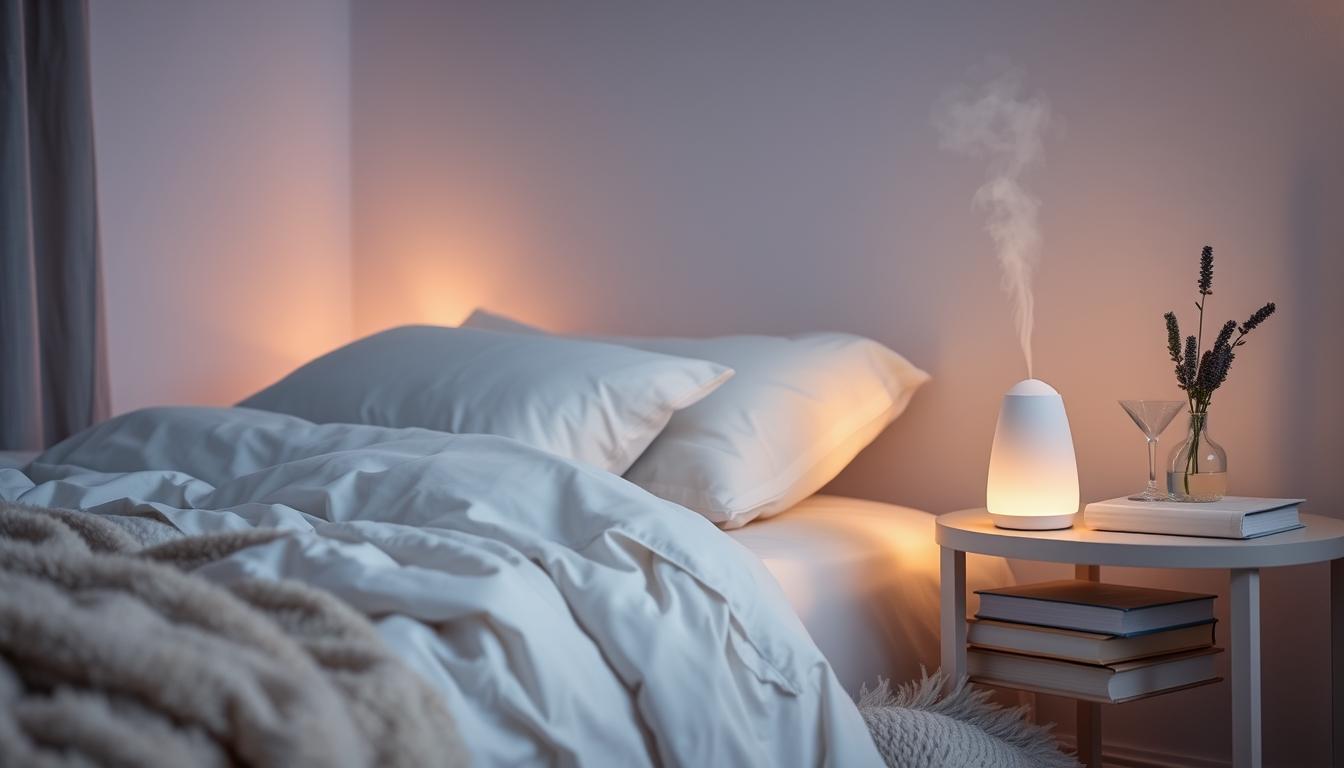
Quality sleep is key to our health and happiness. Sleep hygiene includes our sleep space and habits. It helps us sleep well every night.
Good sleep hygiene makes us feel better physically and mentally. It also makes us more productive and happy.
In the U.S., not getting enough sleep is a big problem. Making our sleep habits better is a simple way to fix this. Signs of bad sleep habits are trouble falling asleep, waking up a lot, and feeling tired all day.
Key Takeaways
- Sleep hygiene refers to both sleep environment and behavior, impacting sleep quantity and quality.
- Good sleep hygiene promotes consistent, uninterrupted sleep, benefiting physical and mental health, productivity, and overall quality of life.
- Sleep hygiene is a cost-effective public health strategy to address insufficient sleep and insomnia.
- Poor sleep hygiene signs include difficulty falling asleep, frequent disturbances, and daytime sleepiness.
- Forming good sleep habits is a central part of maintaining overall health and well-being.
Understanding the Fundamentals of Sleep Hygiene
Getting quality sleep is key for our health and happiness. At the heart of good sleep habits is sleep hygiene. It’s about the practices and habits that help us sleep well. Knowing how sleep quality affects our daily life is important for better sleep hygiene.
What Defines Good Sleep Hygiene
Good sleep hygiene means having a good sleep schedule and bedtime routine. It’s about creating a cozy bedroom and relaxing before bed. These habits help you keep a regular circadian rhythm and sleep well.
The Science Behind Sleep Quality
Sleep quality is tied to how our brain and body work together. The brain makes hormones that control sleep and wakefulness. Sleep cycles last from 70 to 120 minutes, with each stage serving a purpose.
Circadian rhythms, which last about 24 hours, are key to our biological processes, including sleep.
Impact on Daily Functioning
Good sleep affects how we function every day. Not sleeping enough can lead to heart problems, a weak immune system, and more. It can also cause obesity, diabetes, and mental health issues like depression and anxiety.
On the other hand, good sleep hygiene can improve our mental health and lower the risk of chronic diseases.
Learning about sleep hygiene helps us improve our sleep habits. This leads to better brain function, emotional balance, and physical health.
“Regulating one’s internal clock through good sleep hygiene is crucial for maintaining consistent sleep patterns and preventing sleep disorders.”
The Connection Between Sleep Duration and Health Benefits
Adequate sleep is key for good health and happiness. Adults need at least 7 hours of sleep each night. Teenagers and school-age kids should get 8-12 hours.
Enough sleep brings many health benefits. But, sleep deprivation can cause problems.
Not getting enough sleep can make you feel very tired during the day. It can also change your mood and make it hard to think clearly. You might find it hard to focus and remember things.
Lack of quality sleep can make you feel stressed, anxious, and irritable. It can also affect your memory and judgment.
- Not enough sleep can lead to weight gain, obesity, and heart problems. It can also increase the risk of stroke, high blood pressure, type 2 diabetes, depression, anxiety, weakened immunity, and cancer.
- Poor sleep quality can come from many things. This includes waking up a lot during the night, sleep disorders, hormonal changes, and lifestyle choices.
- To improve sleep quality and duration, keep a regular sleep schedule. Also, have a calming bedtime routine and make your bedroom sleep-friendly.
Getting enough sleep each night has many health benefits. It helps your mental health, heart health, and immune system. It also supports your brain, decision-making, and athletic performance.
“Quality sleep aids in the production of growth hormones necessary for body repair and immune system support.”
By focusing on sleep hygiene and getting enough sleep, you can improve your overall health and well-being.

Creating an Optimal Sleep Environment
Quality sleep begins with a great sleep environment. Keep your bedroom cool, around 65 degrees Fahrenheit. This helps your body sleep better.
Artificial light can mess with your sleep. It stops your body from making melatonin, which is key for sleep. Use curtains or blackout blinds to block light. An eye mask can also help.
Noise Management Strategies
Noise can ruin your sleep. Loud sounds can wake you up a lot. To fix this, use a white noise machine or earplugs.
Choosing the Right Bedding
Your mattress and bedding matter a lot. New mattresses help you sleep better and ease back pain. Wash your sheets often to keep them clean.
Adding calming scents like lavender can make your sleep even better. It helps you feel refreshed in the morning.
By making your sleep environment just right, you can sleep better. This improves your health and happiness.
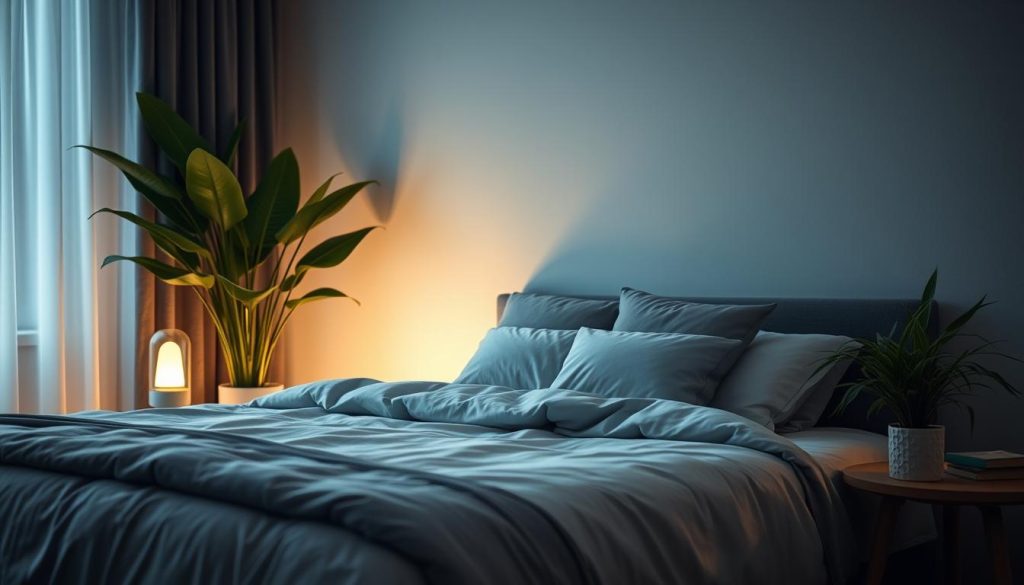
| Sleep Environment Factor | Recommended Optimal Condition | Impact on Sleep Quality |
|---|---|---|
| Temperature | Around 65°F (18.3°C) | Helps facilitate natural sleep-wake cycle |
| Lighting | Minimal artificial light, heavy curtains/blinds | Prevents disruption of melatonin production |
| Noise | White noise machine, earplugs | Reduces sleep fragmentation and disturbances |
| Bedding | High-quality mattress, clean sheets | Promotes better sleep quality and comfort |
| Scents | Lavender essential oil | Enhances relaxation and refreshment upon waking |
Developing a Consistent Sleep Schedule
A consistent sleep schedule is key for good sleep hygiene. It aligns with your body’s natural rhythms, boosting your health and well-being.
To keep a regular sleep schedule, wake up at the same time every day, including weekends. This sets your body’s internal clock. Consistency in sleep schedule can help reinforce the body’s sleep cycle, leading to easier falling asleep and waking up every day.
After setting your wake-up time, figure out a bedtime for 7-9 hours of sleep. Maintaining a bedtime routine about 30-60 minutes before sleep can aid in quicker falling asleep. If you need to change your sleep times, do it slowly to avoid upsetting your body’s rhythms.
Naps can be good, but keep them short, especially in the early afternoon. Limiting naps to 20 minutes or less can reduce potential sleep disturbances at night. Long or late naps can mess up your sleep at night.
Keeping a regular sleep schedule helps normalize your sleep patterns. Healthy sleep habits during the day and bedtime can significantly impact the quality of sleep.
“Consistency in sleep schedule is crucial for maintaining a healthy sleep routine.”
The Role of Diet and Exercise in Sleep Quality
Getting quality sleep is key for good health. Diet and exercise are important for this. Eating right and exercising at the right time can help your sleep quality, sleep habits, and circadian rhythm.
Timing of Physical Activity in Sleep Hygiene
Exercise can make your sleep better, but when you do it matters. Don’t work out right before bed. It can make it hard to fall asleep.
Try to exercise a few hours before bed. This lets your body relax and get ready for sleep.
Dietary Choices That Impact Sleep
What you eat can also affect your sleep quality. Cut down on caffeine, especially in the evening. It can keep you awake.
Also, drink alcohol in moderation. It might help you sleep at first but can mess with your sleep later. Don’t eat big meals close to bedtime. They can make you uncomfortable and disrupt your sleep.
Avoiding Sleep Disruptors
Some foods and substances can mess with your sleep. Nicotine, for example, can keep you awake. A diet full of bad fats, refined carbs, and sugars can also hurt your sleep.
On the other hand, eating foods rich in fiber, whole grains, and nutrients can help. These foods support healthy sleep habits and a good circadian rhythm.
By making these changes, you can improve your sleep quality. This can lead to better health and well-being.

Technology and Sleep: Managing Screen Time
In today’s world, we’re always connected to our devices. This makes it hard to keep our sleep healthy. But, with a few easy steps, you can get better sleep and keep your sleep habits in check.
Blue light from screens is a big problem for sleep. It can lower melatonin levels by up to 85%. This makes it hard to fall and stay asleep.
To fight blue light, experts suggest a 30-60 minute break from devices before bed. Use this time for relaxing activities like reading or meditation. If you can’t sleep after 20 minutes, get up and do something calm in low light.
More screen time before bed can hurt your sleep, especially for teens. It’s key to balance tech use with relaxation. Choose activities that tell your body it’s time to relax.
Being smart about screen time can lead to better sleep quality. This improves your overall health and well-being.
Sleep Hygiene Best Practices for Different Age Groups
Getting quality sleep is key for health and happiness. The right amount of sleep changes with age. It’s important to know what each age group needs for good sleep.
Children and Teens
Newborns sleep 14-17 hours a day. Infants (4-12 months) need 12-16 hours. Toddlers (1-2 years) sleep 11-14 hours.
Preschoolers (3-5 years) need 10-13 hours. School-age kids (6-12 years) sleep 9-12 hours. Teens (13-17 years) need 8-10 hours each night.
But, many middle school and high school students don’t get enough sleep. Almost 60% of middle schoolers and 7 out of 10 high schoolers don’t sleep well during the week.
Adults and Aging population
Most adults need 7 or more hours of sleep. A 2018 Oxford study found the brain works best with 7 to 8 hours of sleep. As we get older, our sleep changes, becoming lighter and more broken.
Special Considerations for Shift Workers
Shift workers face unique sleep challenges. They should find a sleep routine that works, stick to a schedule, and use sleep accessories. They should also limit caffeine and consider napping at work.
Keeping healthy sleep cycles, habits, and rhythms is vital for all ages. By understanding sleep needs and using the right sleep hygiene, we can improve our sleep quality. This supports our overall health and well-being.
Sleep Hygiene: Recognizing and Addressing Sleep Disorders
Good sleep hygiene is key for health, but sleep disorders can get in the way. Conditions like insomnia, sleep apnea, restless legs syndrome, and narcolepsy affect many. Insomnia alone hits about one-third of adults.
Signs of sleep disorders include trouble falling or staying asleep, feeling very tired during the day, loud snoring, or pauses in breathing. Keeping a sleep diary can help spot patterns. Then, talk to a healthcare provider about them. Sometimes, sleep studies are needed to find out what’s wrong.
Treatment for sleep disorders depends on the issue but often includes lifestyle changes, therapy, and medicine. Cognitive Behavioral Therapy for Insomnia (CBT-I) is very effective. Studies show it helps people sleep better for a year after treatment.
Other good ways to tackle sleep disorders include relaxation techniques. Mindfulness meditation, progressive muscle relaxation, and breathing exercises can help relax and improve sleep.
Working with a healthcare professional to create a treatment plan is crucial. Recognizing signs and getting the right care can greatly improve sleep and health.
| Sleep Disorder | Key Characteristics | Potential Causes |
|---|---|---|
| Insomnia | Difficulty falling or staying asleep | Stress, anxiety, depression, poor sleep hygiene |
| Sleep Apnea | Disruptions in breathing during sleep, loud snoring | Obesity, narrow airways, genetic factors |
| Restless Legs Syndrome (RLS) | Uncomfortable sensations in the legs, urge to move | Genetics, iron deficiency, pregnancy |
| Narcolepsy | Excessive daytime sleepiness, sudden loss of muscle tone | Autoimmune disorders, genetic factors |
“Cognitive Behavioral Therapy for Insomnia (CBT-I) has proven to be highly effective, with studies showing significant improvements in patients’ ability to fall and stay asleep, with benefits lasting even a year after treatment completion.”
Natural Methods for Better Sleep Quality
Looking for ways to improve your sleep without meds? There are many natural methods to try. Relaxation techniques, mindfulness, and aromatherapy can help you sleep better.
Relaxation Techniques as part of Sleep Hygiene
Try simple exercises like progressive muscle relaxation and deep breathing before bed. Tensing and releasing muscles can relax your body. Slow breathing adds to the calming effect, helping you sleep.
Mindfulness and Meditation
Mindfulness and meditation can also help your sleep. They reduce stress and anxiety, common sleep blockers. Focusing on now and letting go of worries calms your mind. Regular practice can lead to better sleep.
Aromatherapy and Sleep
Essential oils like lavender can calm and relax you. Using aromatherapy at bedtime can make your sleep space soothing. You can diffuse oils, apply them, or add to your bath. The scents tell your body it’s time to relax and sleep.