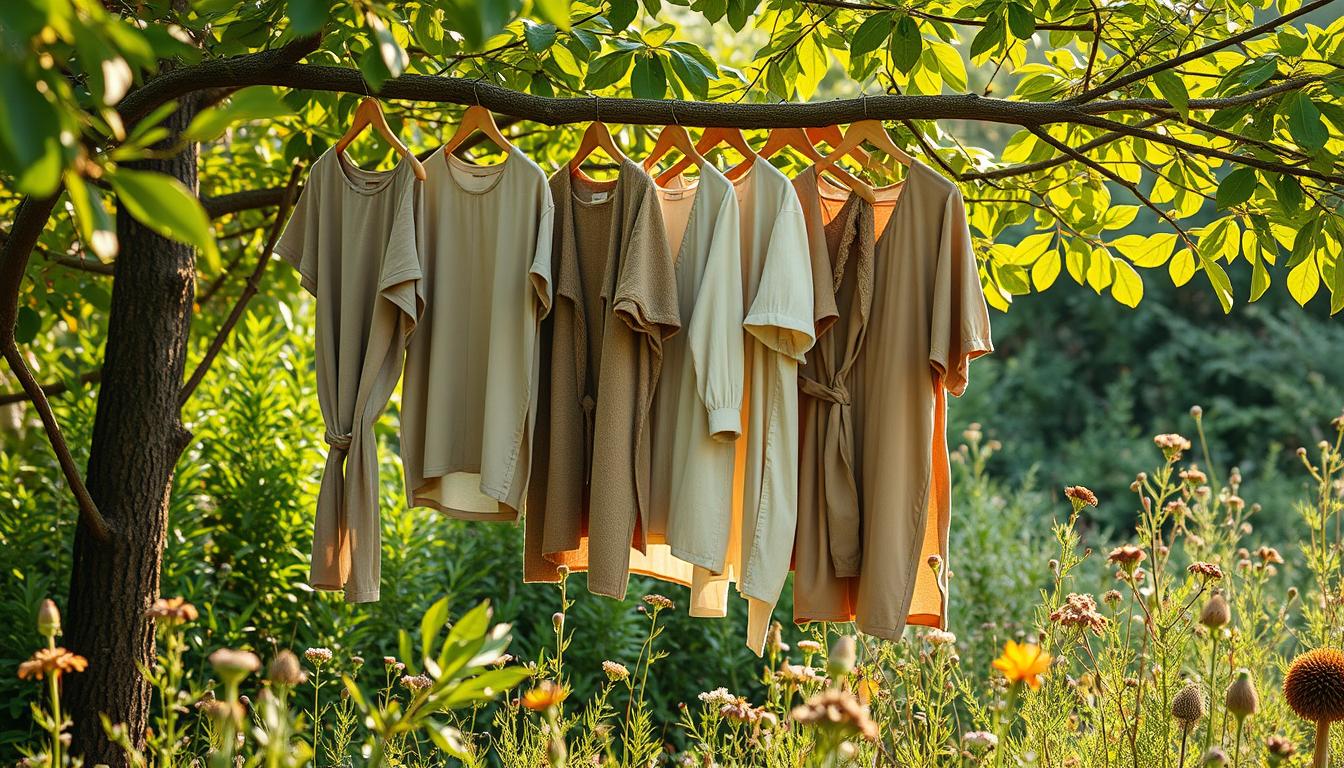
Welcome to our ultimate guide on sustainable fashion! We’ll explore ethical clothing, eco-friendly fashion, and why going green is key. As more people learn about fast fashion’s harm, demand for sustainable clothes has soared.
Sustainable fashion means being open, fair to workers, and using organic and recycled stuff. It’s about choosing clothes that don’t harm the planet. This way, you can dress well and feel good about it.
In this guide, we’ll look at top sustainable fashion brands. You’ll find everything from luxury to affordable and indie designers. We’ll also give you tips for shopping consciously and keeping your wardrobe sustainable.
Key Takeaways
- Sustainable fashion focuses on transparency, fair labor practices, and minimizing environmental impact.
- Investing in quality, long-lasting clothing can lead to a reduced carbon footprint.
- Rental platforms offer an eco-friendly way to experience new fashion without purchasing brand new items.
- Repairing and altering clothing items can extend their lifespan and contribute to a more sustainable wardrobe.
- Sustainable fashion doesn’t have to compromise on beauty or luxury.
Understanding Sustainable Fashion: A Complete Overview
The world of fashion is always changing, and sustainable fashion is now more important than ever. It aims to lessen the environmental harm of the fashion world and ensure fair production. As people think more about what they buy, knowing what sustainable fashion really means is key.
Defining Sustainable Fashion and Its Importance
Sustainable fashion means using practices that help the planet and treat people right. It’s about using organic textiles, upcycled fashion, and following fair trade fashion rules. This way, brands can cut down on waste, save resources, and make sure workers are treated fairly.
The Environmental Impact of Fast Fashion
Fast fashion, with its quick production and fast sales, harms the environment a lot. It uses a lot of water, makes greenhouse gases, and creates huge amounts of waste. For example, the Rana Plaza factory disaster in Bangladesh in 2013 killed 1,135 people, showing we need better work conditions.
Key Principles of Sustainable Fashion
Sustainable fashion is built on three main ideas:
- Environmental Responsibility: Using green materials like organic cotton and recycled and innovative textiles to lower the industry’s carbon footprint.
- Ethical Production: Making sure workers are treated fairly, have safe jobs, and get paid well.
- Waste Reduction: Using the circular economy, like upcycling and recycling, to cut down on waste and make clothes last longer.
Brands like Stella McCartney show that sustainable fashion can be both fancy and good for the planet, setting a new benchmark for the industry.

How to Build a Sustainable Fashion Wardrobe from Scratch
Creating a sustainable wardrobe is a thoughtful journey. It helps the environment a lot. Start by choosing quality items that last long. Pick clothes that work for many seasons and adopt a “one in, one out” rule to cut down on waste.
Look for pieces that can be worn in different ways. This way, you’ll use them more and buy less. It’s all about finding items that are versatile and stylish.
When adding new clothes, use the “30 wears test” as a guide. Choose items you’ll wear forever. This approach is key to sustainable fashion. Opt for fabrics like organic cotton, recycled polyester, and bamboo. They’re better for the planet and your skin.
Local and small businesses often focus on sustainability. They offer unique, high-quality items and cut down on shipping emissions. Some brands even make clothes that are soft, light, and keep you cool and dry.
Looking for brands that are open about their practices is important. They should share details on where they get their materials, how they make their clothes, and how they treat their workers.
“80% of people do not have the means to replace their entire wardrobe with sustainable brand clothing.”
Building your sustainable wardrobe takes time. Start slow and do it at your own pace. Fixing your clothes instead of buying new is a great way to be sustainable. Also, swapping clothes with friends is a fun way to refresh your wardrobe.
Consider renting formal wear and sticking to a few colors and styles. Buying trendy items at thrift stores is also a smart move. Accessories are key to making your wardrobe more sustainable and stylish.

By being mindful and circular in your fashion choices, you can build a wardrobe that’s not only stylish but also eco-friendly. It’s a way to express yourself while caring for the planet.
Top Sustainable Fashion Brands Making a Difference
Sustainable fashion is now mainstream, with big brands adopting eco-friendly and ethical methods. This change includes both luxury and indie designers. They’re focusing on green manufacturing, fair trade apparel, and eco-friendly apparel.
Luxury Sustainable Brands
Luxury brands like Stella McCartney show that you can love fashion and the planet at the same time. They offer stylish, eco-friendly items like suits and bags without leather or fur. Stella McCartney is leading the way in luxury sustainability.
Another Tomorrow focuses on timeless designs with materials grown and sourced responsibly. Marine Serre, launched in 2017, uses upcycled materials for high-quality pieces. Both brands are big players in luxury sustainable fashion.
Affordable Eco-Friendly Fashion Labels
For those looking for affordable eco-friendly apparel, PACT, KENT, and Thunderpants USA offer organic clothes. Etiko, Mighty Good Undies, and Subset provide eco-friendly underwear. Nisa empowers refugee women, helping marginalized communities.
Independent Sustainable Fashion Designers
Independent designers are also making a big difference. Bettter uses upcycled designs and new production technologies. Bite, founded in 2016, is a minimalist brand pushing for fair trade apparel. Conner Ives creates unique pieces from deadstock fabric, leading the industry towards sustainability.

The sustainable fashion world is booming, with options for everyone. From luxury to budget-friendly, there’s a wide range of choices. This lets consumers build an eco-friendly wardrobe and support brands that care about green manufacturing and ethics.
Essential Tips for Conscious Shopping
In today’s world of vegan fashion and slow fashion movement, it’s key to shop mindfully. We can all help change the fashion industry by choosing our purchases wisely. Here are some tips to help you shop more consciously:
- Research brands well. Choose companies that are open about their supply chain and use eco-friendly materials.
- Focus on quality over quantity. Buy pieces that last long and can be worn in many ways.
- Think about renting clothes for big events or buying secondhand. This helps reduce waste and supports the circular economy.
- Stop getting marketing emails. It helps you avoid buying things on impulse and stay focused on what you really need.
- Make a shopping list and set a budget. This helps you avoid spending too much and makes your purchases more thoughtful.
- Plan when you will shop. This helps you make more intentional, eco-friendly choices.
- Use the “One In, One Out” rule. It keeps your closet organized and sustainable.
By following these tips, you can greatly reduce waste and support the vegan fashion and slow fashion movement. Every choice you make as a shopper can help make the fashion industry more sustainable for the future.

“Shopping and returns generate high levels of greenhouse gas emissions and contribute to landfills. Actions such as buying less, holding onto items for longer, reusing products, purchasing items with longer lifespans, and avoiding frequent replacements can help save money and reduce environmental impact.”
– Lorraine Whitmarsh, Environmental Psychologist, University of Bath
By adopting these conscious consumption strategies, you can help make the fashion industry more sustainable and fair. Every small action you take as a conscious shopper can have a big impact on the environment and the people making your clothes.
Sustainable Materials and Fabrics Guide
The fashion world is moving towards sustainability. It’s using eco-friendly materials and new fabrics. These include organic cotton and recycled polyester. They help make clothes production less harmful to the environment.
Organic and Natural Fibers
Organic cotton is soft and lasts long. It’s grown without harmful chemicals. Textile Exchange’s 2022 report shows organic cotton uses 62% less energy and 88% less water than regular cotton. Hemp is also good for the planet, as it absorbs more CO2 than most plants.
Bamboo grows fast and absorbs CO2 quickly. Linen and wool are also natural and sustainable. They make a wardrobe better for the planet.
Recycled and Innovative Materials
The industry is using recycled materials to cut down waste. Recycled cotton is better for the planet than regular or organic cotton. It uses less water and energy. TENCEL Lyocell is another eco-friendly option, needing less energy and water to make.
Bananatex and CIRCULOSE are also sustainable. Bananatex is made from banana plants and has won awards. CIRCULOSE recycles cotton from old clothes and waste, supporting circular fashion.
Understanding Fabric Certifications
Finding sustainable fashion can be hard. But knowing about fabric certifications helps. The New York Times reported on organic cotton’s certification issues, showing the need for honest labels. Standards like GOTS and Fairtrade ensure materials and production are safe for the planet and people.
By choosing sustainable materials and knowing about certifications, we can dress in a way that’s good for the planet. This helps create a better future for all.

The Art of Maintaining Your Sustainable Wardrobe
Creating a sustainable wardrobe is more than just buying eco-friendly clothes. It’s also about making your clothes last longer. By taking good care of your clothes, you can reduce waste and lower your carbon footprint. Here are some easy tips to help your clothes last longer and make a bigger impact.
Start by looking into gentle cleaning options. Instead of washing clothes a lot, try using a steamer. It keeps clothes fresh and kills germs without damaging them. For your favorite knitwear, use a fabric shaver to get rid of pilling. This keeps your clothes soft and looking new.
Learning to fix small problems with your clothes is also key. Instead of throwing away clothes with small issues, learn to mend them. This saves money and reduces the need for new clothes. It’s a big step towards carbon footprint reduction and textile waste reduction.
| Sustainable Wardrobe Maintenance Tip | Benefits |
|---|---|
| Use a steamer instead of ironing | Preserves fabric integrity, reduces energy consumption |
| Invest in a fabric shaver for knitwear | Maintains softness and texture, extends garment life |
| Learn basic repair skills or find a local tailor | Saves money, reduces waste, supports local businesses |
By following these simple tips, you can make your sustainable fashion choices last. Caring for your clothes the right way not only keeps them looking good but also helps the planet. So, take the time to learn how to care for your clothes, and enjoy a wardrobe that looks and feels great for years.
Circular Fashion: Understanding the Future of Clothing
The fashion world is changing fast, with circular fashion leading the way. It’s a new approach to make clothes that’s better for our planet. By recycling and upcycling, it aims to cut down on waste and make fashion more sustainable.
The Principles of Circular Fashion
Circular fashion is all about the circular economy. It’s a big change from the old “take-make-waste” way. It focuses on using materials over and over again, making clothes last longer and reducing waste.
It’s about designing clothes that can be used for years, taking back old clothes, and finding new ways to recycle and upcycle. This makes fashion more eco-friendly and responsible.
Recycling and Upcycling Techniques
Brands and designers are finding new ways to recycle and upcycle clothes. Subset, for example, works with charities to turn old underwear into insulation. This way, they keep waste out of landfills and give old clothes a new life.
Upcycling is also becoming popular. It’s when designers make something new and better from old or waste materials. This not only cuts down on waste but also brings in fresh, unique designs that people love.
“Circular fashion is not just a trend; it’s a necessary shift in the way we produce, consume, and dispose of clothing. By adopting a circular mindset, we can create a more sustainable and responsible fashion industry for generations to come.”
The fashion world is growing, and circular fashion is key. With new recycling and upcycling methods, brands are showing us that clothes can be more than just disposable items. They can be valuable resources to be used and reused.
Sustainable Fashion on a Budget
Sustainable fashion doesn’t have to be expensive. You can create an eco-friendly wardrobe without spending a lot. Look for eco-friendly fashion brands like nat’v basics and PACT. They offer quality clothes at good prices.
Also, try second-hand shopping and clothing rentals. These options are great for special occasion clothes you don’t need to keep.
Building a sustainable wardrobe means focusing on quality. Choose fair trade garments that will last for years. Buy classic pieces and items that can be mixed and matched.
Join clothing swaps or upcycling workshops. These activities can give new life to your clothes and help the environment.
| Sustainable Fashion Brand | Affordable Eco-Friendly Options | Sizes Available |
|---|---|---|
| Pact | Offers carbon-offset shipping | XXS to XXL, up to US size 16 |
| Kotn | Impacted over 100,000 lives in Egypt | XS to XXL, up to US size 16 |
| Quince | Delivers products in virgin plastic-free packaging | XS to XL, up to US size 16 |
| Fair Indigo | Designs clothes to last upwards of five years | XS to XL, up to US size 18 |
| Everlane | Offers a wide range of sustainable essentials | XS to XXL, up to US size 20 |
| Allbirds | Uses eco-friendly materials like SweetFoam® and Trino® | XS to XXXL |
With a bit of effort, you can have a stylish, sustainable wardrobe that fits your budget. Embrace second-hand finds, rent special occasion clothes, and invest in quality affordable eco-friendly fashion. This way, you can enjoy sustainable style without hurting your wallet.
How to Identify Greenwashing in Fashion
In the world of sustainable fashion, it’s important to watch out for greenwashing. Greenwashing is when brands make false claims about being eco-friendly. This is done to look better than they really are. Knowing how to spot greenwashing helps us make better choices.
Common Greenwashing Tactics
Brands use tricks to make their products seem eco-friendly. They might say “eco-friendly” or “sustainable” without explaining what it means. They might focus on one good thing but ignore the rest.
Some companies use pictures and words to make you think they care about the planet. But their actions don’t always match their words.
Verifying Brand Sustainability Claims
To support real sustainable fashion, do your homework. Look into a brand’s supply chain, how they make things, and where they get their materials. Brands that share this info are more likely to be honest.
Talk to brands on social media to ask about their green efforts. If it’s hard to find out about a brand’s eco-friendliness, it might not be true.
By knowing greenwashing tricks and checking brand claims, we can choose better. We support companies that really care about the planet. This helps make the fashion world more sustainable.
The Role of Technology in Sustainable Fashion
Technology is changing sustainable fashion for the better. New ways to make fabrics, like from plastic bottles or farm waste, cut down on raw material use. Digital tools help people choose eco-friendly clothes and see how their choices affect the planet.
Blockchain makes fashion supply chains clearer, proving products are real and made right. AI suggests green clothes that fit your style. 3D printing and digital making cut down on waste by making only what’s needed.
Technology tackles many fashion problems, like packaging and trying on clothes online. This reduces waste and returns. As fashion goes green, working together is key to a sustainable future.