Looking for the best vegan protein powders like soy protein or pea protein is a big deal. People want options that are good for you and taste great. For those who are health-focused and into fitness, getting enough protein is key. But, traditional protein sources like meat can be hard to find, especially for vegetarians or those with dairy sensitivities.
Whey protein used to be the top choice, but now vegan protein powders are gaining fans. They offer a meat-free and eco-friendly, cruelty-free way to get protein. These powders come from legumes, seeds, and grains. Soy protein and pea protein are top picks because they’re high in quality and easy for the body to use.
At first, some vegan protein powders tasted bad and felt gritty. But now, there are many delicious and effective choices. These plant-based protein supplements make it easy to get more protein. They help with muscle recovery and growth and fit well with a sustainable, eco-friendly lifestyle.
Key Takeaways
- Vegan protein powders provide a convenient way to increase protein intake for plant-based diets or those with dairy sensitivities.
- Soy and pea protein are common high-quality, bioavailable protein sources in vegan powders.
- The market for tasty and effective plant-based protein powders has evolved, offering a wide range of options.
- These plant-based supplements can support muscle recovery and growth while aligning with a sustainable, eco-friendly lifestyle.
- Vegan protein powders come in various flavors and can be incorporated into smoothies, baked goods, and post-workout shakes.
What are Vegan Protein Powders?
Vegan protein powders come from plants like peas, hemp, rice, and soy. They help people on a vegan diet or with allergies to animal proteins get enough protein. Unlike animal-based powders, vegan ones are dairy-free and allergen-free. This makes them great for many diets and preferences.
Plant-based Protein Sources
- Pea protein is a favorite because it’s easy to digest and full of amino acids.
- Hemp protein has all the amino acids you need and lots of healthy fats and fiber.
- Rice protein is a complete protein found in many vegan powders.
- Soy protein is a well-known plant protein in many vegan powders.
Suitable for Plant-based Diets and Allergies
Vegan protein powders are perfect for those on a plant-based diet or with animal protein allergies. They help meet daily protein needs without animal products.
Looking to boost muscle recovery or ensure you get enough protein? Vegan protein powders are a flexible and meat-free nutrition choice.
Benefits of Vegan Protein Powders
Vegan protein powders are a handy way to up your protein intake. They’re perfect for those on a plant-based diet or who are always on the move. Getting enough protein is key for muscle recovery and growth. So, plant-based protein powders are a big help for athletes and fitness fans.
Convenient Protein Source
These powders are packed with plant-based proteins. You can mix them into smoothies, shakes, and more. It’s an easy way to get more protein without much work.
Supports Muscle Health
Many vegan protein powders are complete proteins. They have all the amino acids you need for muscle growth and recovery. This makes them a smart choice for anyone wanting to build or keep muscle.
“Soy protein is considered a complete plant protein as it contains all nine essential amino acids in proportions similar to whey protein.”
Also, plant-based protein powders have fiber and other nutrients. These can help with muscle health and recovery even more.
Vegan Protein Powders
Vegan protein powders are made from plants and are great for those who don’t eat animal products. They come from pea, soy, rice, and hemp, among others. You can choose from many flavors and sweeteners to find what you like best.
Plant-Based Protein Sources
Pea, soy, rice, and hemp proteins are popular in vegan powders. Each has its own benefits. For example, pea protein helps build muscles, and hemp is full of omega-3s.
Flavors and Sweeteners
Vegan protein powders have many flavors, from vanilla and chocolate to birthday cake and fruity cereal. They can be sweetened with natural or artificial sweeteners, so everyone can find something they enjoy.
| Protein Source | Protein Content (per serving) | Calories (per serving) | Net Carbs (per serving) |
|---|---|---|---|
| Pea Protein | 20 grams | 140 | 7 grams |
| Soy Protein | 21 grams | 120 | 5 grams |
| Rice Protein | 22 grams | 130 | 6 grams |
| Hemp Protein | 20 grams | 150 | 8 grams |
With so many options, you can easily find a vegan protein powder that meets your needs. It’s all about finding the right mix of protein, calories, and nutrients for your health and fitness goals.
Taste and Texture Considerations
When it comes to vegan protein powders, taste and texture matter a lot. Some, like pea or hemp, have an earthy or vegetal taste. This might not be everyone’s cup of tea.
On the other hand, many people prefer a smooth and creamy texture. But, some plant-based protein powders can feel gritty or thick. This depends on the ingredients and how they’re mixed.
What’s best for you depends on your taste and texture preferences. Look for a vegan protein powder that matches your taste and texture needs. This way, you’ll enjoy your supplements more.
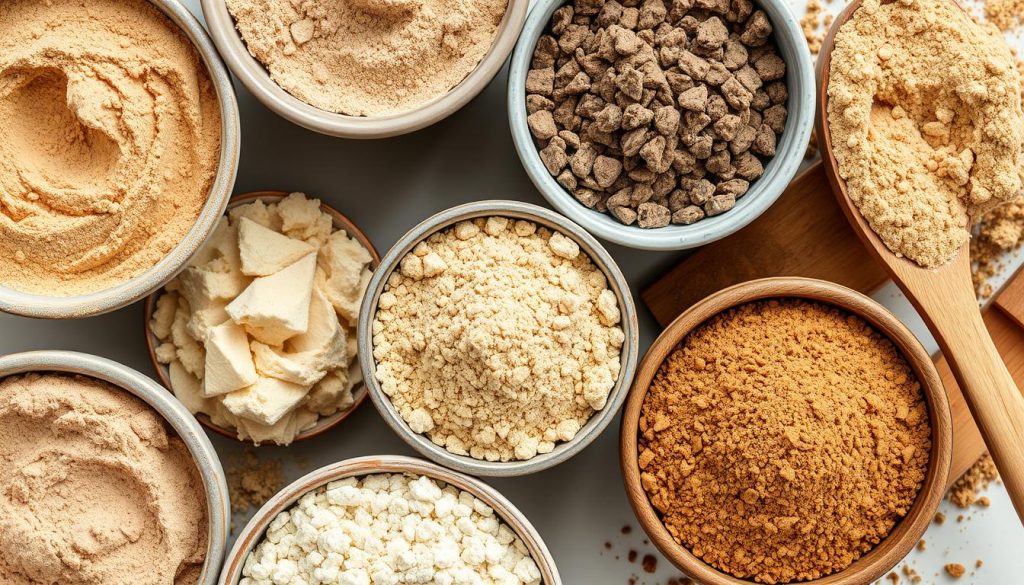
“The texture of vegan protein powders can also vary, ranging from smooth and creamy to gritty or thick, depending on the specific ingredients and blending method.”
Earthy or Vegetal Taste
Some plant-based protein powders, especially those from pea or hemp, taste earthy or vegetal. This might not appeal to everyone. If you prefer a sweeter taste, you might find these flavors off-putting.
Smooth or Gritty Texture
Vegan protein powders can have a smooth and creamy texture or be gritty or thick. The choice depends on the ingredients and how they’re blended. If you have a specific texture preference, choose wisely.
Top Vegan Protein Powder Brands
The vegan protein powder market has grown a lot in recent years. Many brands now offer a wide range of plant-based protein options. Some top brands include Future Kind, KOS, BEAM, About Time, Sprout Living, NorCal Organic, Orgain, and Vega Sport. These brands have different protein sources, flavors, and nutritional benefits for vegan and health-conscious people.
Vega Sport Premium Vegan Protein Powder has 30g of protein per serving. It also has 4g of carbs, 3.5g of fat, and 170 calories. The price is $3.21 per serving. NAKED nutrition Pea Protein Powder has 27g of protein and 120 calories per serving. It costs $0.86 per serving.
Ritual Essential Protein Daily Shake 18+ has 20g of protein and 115 calories per serving. It costs $2.67 per serving. ProMix Nutrition Plant-Based Vegan Protein Powder, Raw Chocolate has 30g of protein and 170 calories per serving. It is priced at $2.23 per serving.
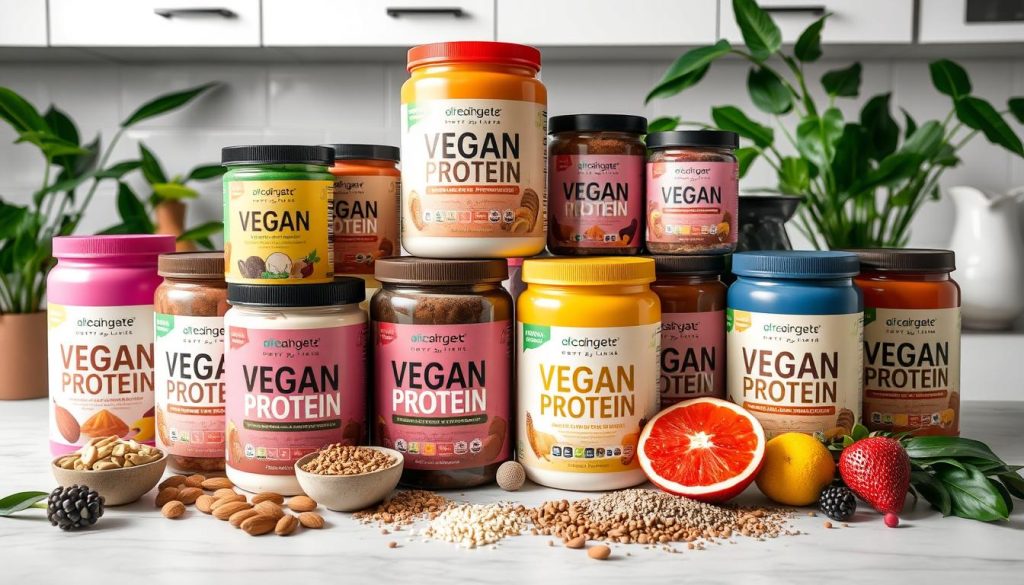
Over 90 protein powder supplements were tested, and 14 vegan protein powders were found to be the best. Transparent Labs Organic Vegan Rice and Pea Protein has 24g of protein per serving. Ritual Essential Protein 18+ has 20g of protein per serving. Legion Plant+ offers 24-25g of protein per serving.
Transparent Labs Vegan Protein is priced at $1.67 per serving. Ritual Essential Protein 18+ costs $2.75 per serving. Legion Plant+ is priced at $2.50 per serving. Transparent Labs Vegan Protein offers 30 servings, while Ritual Essential Protein 18+ has 15 servings per container.
Legion Plant+ offers 6 flavors, while Ritual Essential Protein 18+ has only one flavor. Transparent Labs Organic Vegan Rice and Pea Protein has 130 calories per serving. Ritual Essential Protein 18+ has 115 calories per serving.
Effectiveness for Muscle Building and Recovery
Vegan protein powders can help build and repair muscles, as long as they have all essential amino acids. Plant-based proteins like pea, rice, hemp, and soy offer a good mix of amino acids. This makes them great for muscle growth and repair.
Getting enough protein intake is key for muscle health. Vegan protein powders are a handy way to boost protein intake. They are especially good for those who are active or follow a plant-based diet.
Complete Proteins with Essential Amino Acids
Pea protein, from yellow split peas, is packed with iron and arginine for muscle growth. Brown rice protein has branched-chain amino acids that help muscles repair. Hemp protein, from ground hemp seeds, is a complete protein with omega-3 fatty acids and fiber. Soy protein, with all essential amino acids, is great for muscle growth because of its leucine content.
Adequate Protein for Muscle Growth and Repair
Vegan protein powders might have less of some amino acids than whey protein. But, taking more can make up for it. Research shows vegan diets with protein powder are as good as diets with whey protein for muscle building.
| Nutrient Comparison | Vegan Protein Powder | Whey Protein Isolate |
|---|---|---|
| Protein Content | 18g per serving | 20g per serving |
| Essential Amino Acids | 2.8% less | 20.1% more |
| Branched-Chain Amino Acids | 18.6% less | More |
| Potassium | Less | More |
| Calcium | Less | More |
| Iron | More | Less |
| Cholesterol | Less | More |
| Sodium | More | Less |
| Calories | 130 kcal | 119 kcal |
| Cost | $10-$15/kg cheaper | More expensive |
“Taking more vegan protein powder can balance out amino acid differences. This makes vegan protein powders a good choice for building and repairing muscles.”
Incorporating Vegan Protein Powders into Your Diet
Vegan protein powders are a great way to add protein to your diet. You can mix them into smoothies, bake them into nutrient-dense muffins or protein bars, or make post-workout shakes. They fit well into your meals and snacks.
Smoothies
Adding plant-based protein powders to smoothies is a great morning or post-workout choice. They blend well with fruits, veggies, nut butters, and non-dairy milk. This makes a creamy, protein-rich drink.
Baked Goods
Adding vegan protein powders to baked goods like muffins, bars, and breads boosts their nutrition. Mix them into the dry ingredients. This adds protein without changing the taste or texture much.
Post-Workout Shakes
For a quick recovery after working out, blend plant-based protein powders with water or non-dairy milk. The protein helps repair and grow muscles. It’s perfect for your fitness routine.
Vegan protein powders are versatile and easy to add to your diet. They help increase protein, fuel workouts, or make healthy snacks. Try different recipes and flavors to find your favorite way to use them.
Factors to Consider When Choosing a Vegan Protein Powder
When picking a vegan protein powder, there are important things to think about. The type of protein, like pea, soy, hemp, or a mix, affects taste, texture, and nutrition. It’s also key to check the flavor and sweeteners used, and any extra ingredients like vitamins or probiotics.
Protein Source, Flavor, and Texture
Each vegan protein type offers a unique taste and feel. Pea protein is smooth and creamy, while hemp has a strong earthy taste. Soy is a complete protein with all essential amino acids. Trying different options can help you find the best match for your taste and texture preferences.
Third-Party Testing and Certifications
Look for vegan protein powders that have been tested by third parties, like Informed Sport or Informed Choice. These tests confirm the product’s quality, safety, and purity. They give you peace of mind, knowing the product meets high standards.