Finding the perfect espresso beans can seem tough, with so many types from around the globe so today we explore how to choose espresso beans. This guide will show you how to pick the best espresso beans for your taste. You’ll learn about coffee origins, roast levels, brewing methods, and flavor notes. It’s perfect for both beginners and coffee lovers looking to improve their skills at home.
Key Takeaways
- Explore the differences between Arabica and Robusta coffee beans and their impact on espresso flavor
- Understand the importance of freshness and roast level when selecting the best espresso beans
- Learn about the unique flavor profiles of coffee from different growing regions around the world
- Discover the benefits of single-origin and blended espresso beans and how to choose the right one for your preferences
- Get tips on how to properly store and maintain your espresso beans for optimal freshness and flavor
What Are Espresso Beans?
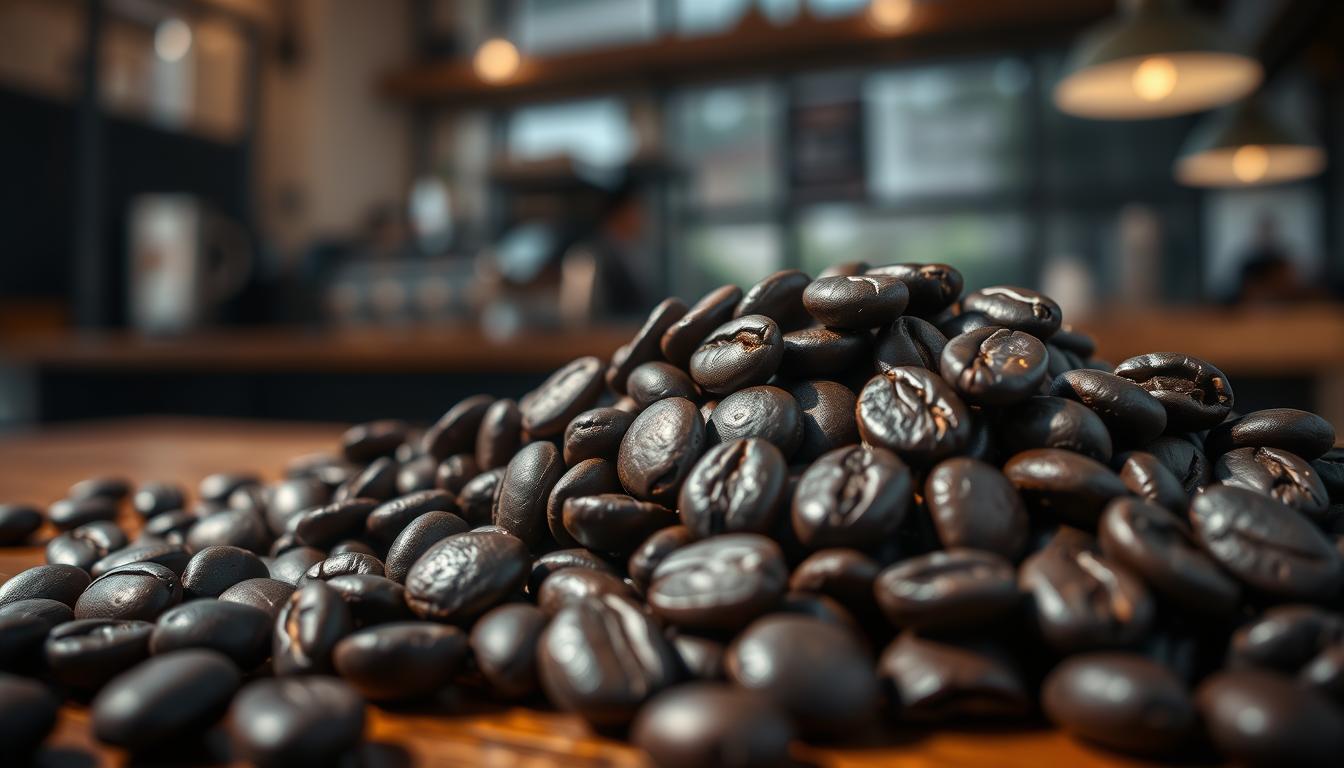
Espresso beans are a special type of coffee bean. They are roasted and ground for making espresso. Unlike regular beans, espresso beans get roasted more intensely. This process brings out their strong, full-bodied flavor.
These beans are roasted to a medium-dark or dark level. Sometimes, this can make them taste bitter. Continue reading for understand how to choose espresso beans.
Why Espresso Blends Taste Bitter
Traditionally, espresso blends are roasted very dark for a strong flavor. This high-heat roasting can make the beans taste bitter and charred. The bitterness often comes from over-roasting the beans.
This happens when roasters try to get a deep, bold espresso flavor.
Why You Don’t Have to Settle for Bitter Espresso
Good news: you don’t have to settle for bitter espresso anymore. With the rise of specialty coffee, roasters are finding ways to make espresso blends that are rich, complex, and balanced. They focus on creating espresso with flavors like chocolate, nuts, or fruity notes, without the harsh bitterness.
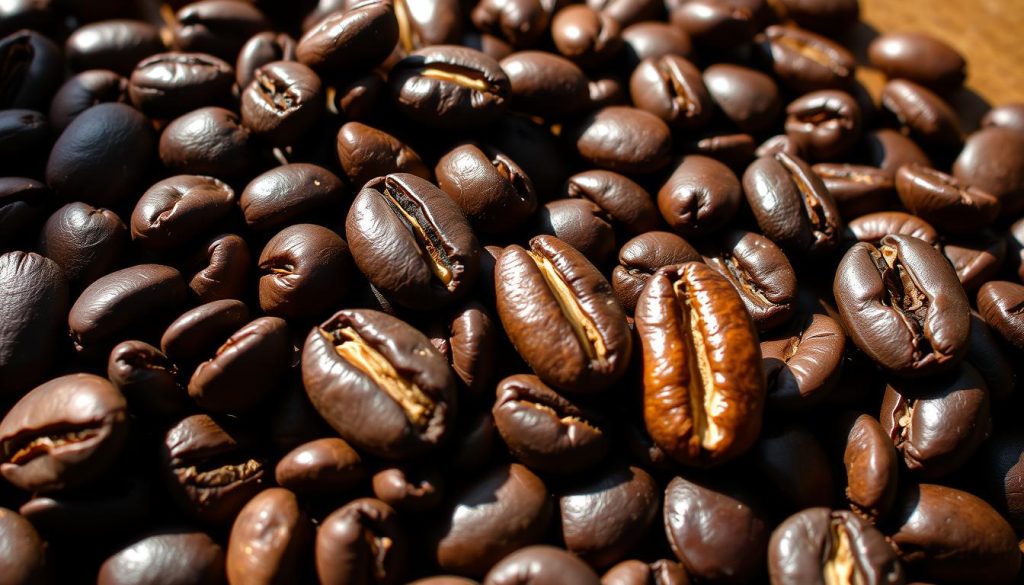
“The key to delicious espresso is understanding how to select the right espresso beans that will produce a balanced and satisfying shot.”
Identifying Your Coffee Preference
Before picking the right espresso beans, it’s key to know what you like in coffee. The main types of coffee are Arabica and Robusta, each with its own taste. Arabica beans are smooth, sweet, and light, with flavors of chocolate, fruit, and wine. Robusta is earthier and more bitter, with a thick body.
Understanding Coffee Origins and Varietals
Knowing what varietal you like and the flavors you enjoy will help you choose espresso beans. Arabica grows in high places, while Robusta does well in low places. Where the beans come from also changes their taste. African coffees are bright and fruity, while those from Central and South America are more chocolatey and nutty.
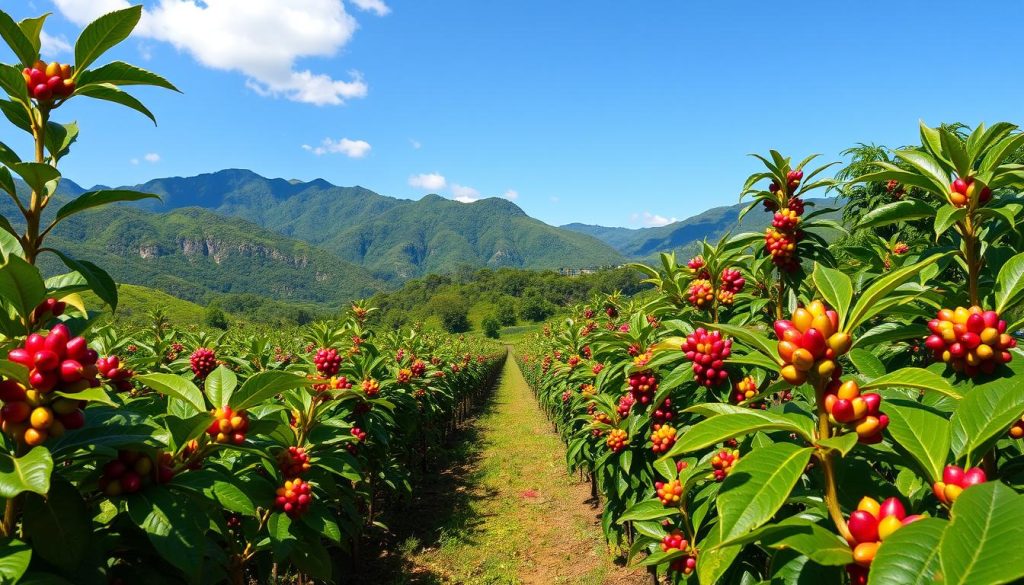
Trying out different coffee origins and varietals is a great way to find what you like and learn more about coffee. Whether you prefer the subtle, complex taste of Arabica or the strong, full taste of Robusta, knowing your coffee preferences will help you find the perfect espresso.
The Importance of Freshness for Espresso
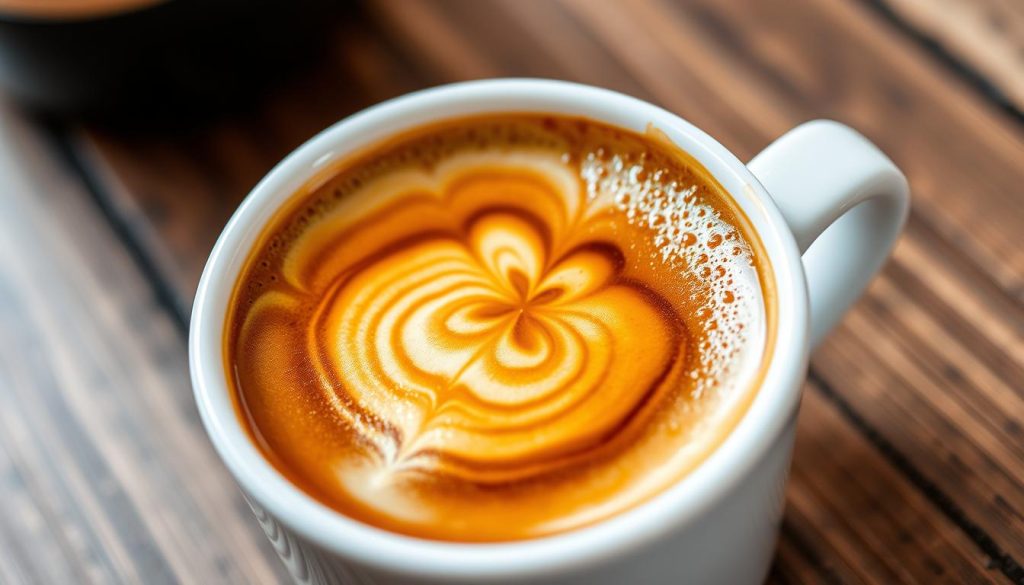
For the perfect espresso, freshness is key. Using beans roasted within 7 to 21 days is crucial. This ensures the espresso crema, the creamy layer on top, is perfect.
The crema comes from the carbon dioxide in the beans. This gas release shows the beans are fresh and of high quality. Choosing beans with a clear roast date guarantees flavor and aroma.
Crema: The Mark of Freshly Roasted Beans
A rich, lasting crema shows the espresso beans are well-roasted and fresh. When hot water goes through the grounds, it releases CO2. This forms the frothy layer on top.
This crema makes the espresso look great and taste better. It adds a creamy texture and aroma, showing the beans are fresh and top quality.
| Freshness Metric | Ideal Timeline |
|---|---|
| Peak Flavor | 4-14 days after roasting |
| Aroma Loss | Within a few days, even one day |
| Darker Roasts | Balance CO2 degassing and aroma loss after first few days |
| Lighter Roasts | Wait 5-10 days |
Choosing espresso beans that are fresh makes your espresso vibrant and complex. This focus on freshness is what makes espresso truly special in how to choose espresso beans.
Choosing Roast Levels for Espresso
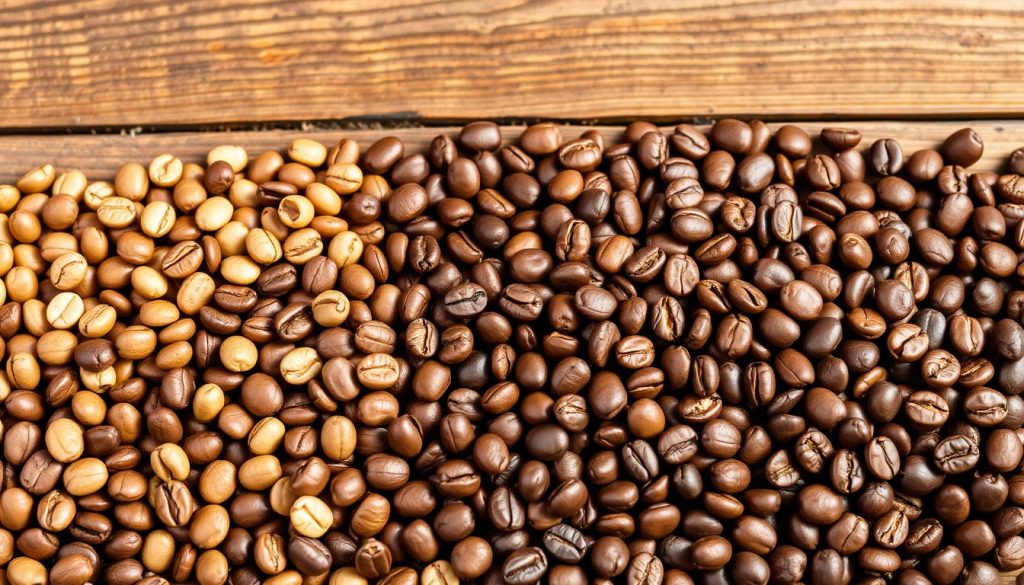
Choosing the right roast level for espresso can greatly affect the taste. You can pick from light and bright to rich and smoky flavors. The roast level changes the character of your drink completely.
Light roast espresso beans get heated to 350°F – 400°F. This makes a dry, acidic, and very caffeinated brew. They have delicate fruity or floral tastes, perfect for those who like a bright espresso.
Medium roast espresso beans get heated to 410°F – 430°F. They have a balanced and full-bodied flavor. You’ll taste caramel, toasted nuts, and milk chocolate. These beans are great with milk-based drinks like lattes and cappuccinos.
| Roast Level | Temperature Range | Flavor Profile |
|---|---|---|
| Light Roast | 350°F – 400°F | Dry, acidic, high caffeine; fruity, floral notes |
| Medium Roast | 410°F – 430°F | Balanced, full-bodied; caramel, toasted nuts, milk chocolate |
| Medium-Dark Roast | Beginning to middle of second crack | Rich, dark color; bittersweet, spicy, chocolatey, caramel |
| Dark Roast | Over 100°F higher than light roasts | Oily, smoky; suitable for French presses and standard brewing |
For espresso, medium to darker roasts are best. They have a consistent flavor that goes well with milk-based drinks. But, some espresso lovers like to try light roast or single-origin beans for their unique tastes.
“The roast level of your espresso beans can significantly impact the flavor profile, mouthfeel, and caffeine content of your drink.”
Balancing Consistency and Adventure
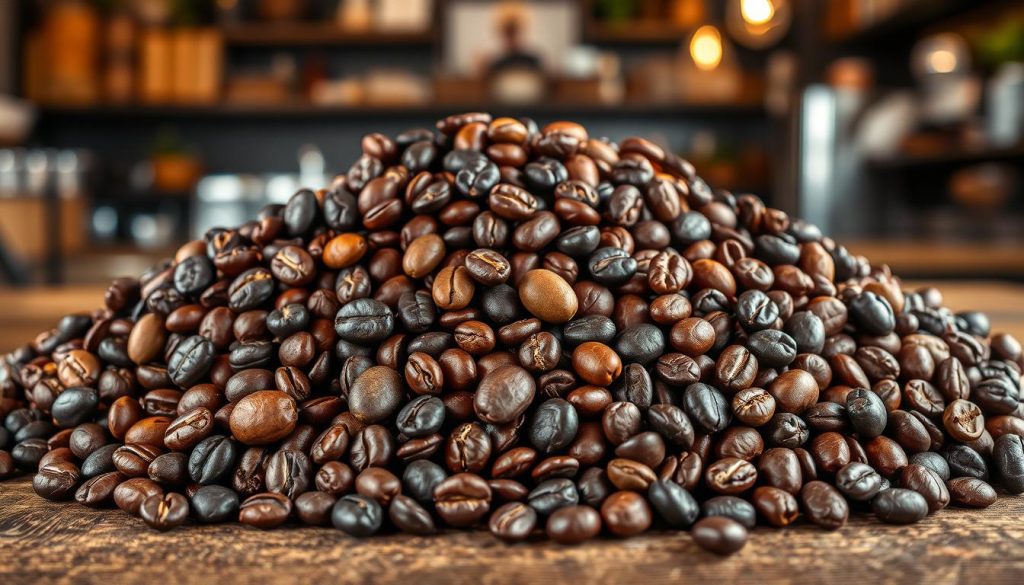
Choosing the perfect espresso beans is a tough choice. Do you go for consistency or seek adventure? Espresso blends and single-origin beans each have their own perks. They cater to different tastes and skill levels.
The Case for Consistent Espresso Blends
Espresso blends are made to give a smooth, dependable taste. They mix various coffee types, creating a balanced flavor. This makes them great for those who like a familiar taste or for cafes needing consistent quality.
The Allure of Single-Origin Espresso in
Single-origin espresso beans, however, bring a unique taste that changes with the seasons. They highlight the special flavors of a region. This makes for an exciting and changing espresso experience.
It’s all about what you prefer and your coffee skills. If you’re new or like a dependable taste, blends are a good start. But if you’re up for a coffee adventure, single-origin is the way to go.
| Espresso Blends | Single-Origin Espresso |
|---|---|
| Consistent flavor profile | Unique, terroir-driven flavors |
| Reliable performance across brewing methods | Flavors can change throughout the season |
| Appealing for beginners and busy cafes | Appealing for coffee enthusiasts and adventurous palates |
“The journey of discovering new and unique espresso experiences can be just as rewarding as finding the perfect, reliable blend.”
Ethical and Sustainable Coffee Sourcing
Choosing the perfect espresso beans means looking for great taste and ethical sourcing. Ethical coffee and sustainable coffee help farmers and give you a better taste. They make sure farmers get fair pay and work in safe conditions.
Fair trade coffee ensures workers get paid right and work safely. Direct trade helps roasters and importers work closely with farmers. This leads to better quality and flavor. Certifications like USDA NOP Certified Organic and Fairtrade also check for quality in coffee.
“Bellwether has developed a scorecard system for its Green Coffee Marketplace to assess coffee based on criteria like farmer-centric pricing, transparent data, ongoing relationships, and investment in farm communities.”
Sustainable coffee helps coffee communities by paying them fair prices. Bellwether’s Tip the Farmer™ program gave $3,000 to ASOPEP. This led to a 700% sales increase for Wagon Coffee and a 20% pay rise for farmers.
When buying espresso beans, choose roasters that focus on ethics and sustainability. Supporting these efforts lets you enjoy great coffee and help coffee farmers around the world.
how to choose espresso beans
Finding the right espresso beans is a fun journey. It doesn’t matter if you’re an expert or just starting. Knowing what makes espresso beans special can help you pick the best one for you.
Think about the origin and varietal of the beans. Arabica beans are sweet and nuanced, perfect for premium espresso blends. Robusta beans have more caffeine and add body and crema. Trying beans from different places, like Ethiopia’s fruity flavors or Sumatra’s earthy taste, can help you find what you like.
The roast level of the beans is also key. Medium to dark roasts work best for espresso, giving a strong flavor. Light roasts are tasty but might not work as well in espresso.
- Look for freshness in espresso beans. Try to get beans roasted in the last month for the best taste and crema.
- Choose ethically and sustainably sourced beans. Pick roasters who focus on fair trade and green coffee farming.
- Try both consistent espresso blends and single-origin beans. Blends are balanced and familiar, while single-origin beans offer unique tastes.
Keep these tips in mind to find great espresso beans. Enjoy trying different beans and brewing methods to discover your favorite espresso.
“The coffee beans start off green and are then roasted, changing color from green to various shades of brown.”
Espresso Brewing Methods and Grind Size
Making the perfect espresso is more than just picking the right beans. The way you brew it also affects the taste. Espresso needs a very fine grind to bring out complex flavors under high pressure.
Espresso Machines and Grinders for Home Use
When picking espresso beans, think about your brewing gear. Basic grinders might not get the fine grind espresso needs. But, high-end machines can handle various bean types. Trying different brewing methods and grind sizes will help you find the perfect espresso.
Speaking about how to choose espresso beans for great espresso, the coffee should feel like sand, finer than sugar. This fine grind lets water pull out all the flavors under high pressure. Darker beans need a bit coarser grind than lighter ones, since they’re more broken down.
Getting the grind size right is key for balanced espresso. A good burr grinder gives you consistent particles for even extraction. The Baratza Virtuoso+ Coffee Grinder, for instance, has 40 settings to adjust the grind just right.
Brew time and water contact affect the best grind size too. Short brewing times, like espresso or AeroPress, need a finer grind for full extraction. But, longer brewing, like French press, works better with a coarser grind.
“Adjusting the grind size based on experimentation and taste preferences is crucial, as it influences extraction time and the overall flavor profile of the espresso shot.”
Knowing how brewing method, grind size, and bean type work together can help you make the most of your espresso setup. This way, you can enjoy consistently tasty shots at home.
Classic Espresso Flavor Profiles
Espresso flavors can range from rich and chocolatey to bright and fruity. Knowing these classic profiles helps you pick the perfect beans for your taste.
Chocolatey and Nutty Blends
Many espresso blends are famous for their chocolatey and nutty tastes. They mix dark roasted beans for flavors of cocoa, caramel, and nuts. This makes a smooth, comforting espresso.
Fruity and Bright Espresso Blends
Some people love a vibrant and fruity taste in their espresso. These bright espresso blends use light roasted beans. They bring out the coffee’s acidity and fruit flavors. This gives a refreshing, full espresso that’s different from the usual.
Trying out different espresso flavor profiles can help you find your favorite. Whether you like the rich taste of chocolatey espresso or the lively taste of fruity espresso, there’s an espresso for you.
“Espresso is a journey of discovery, with each blend offering a unique flavor experience to explore.”
Regional Espresso Flavor Notes
Espresso’s taste changes a lot based on where the beans come from. Knowing what makes each region’s coffee special helps you pick the best beans for you.
African Espresso Beans
African espresso beans, like those from Ethiopia and Kenya, are known for their bright, floral, and fruity tastes. They have a mix of flavors, from light citrus to deep berry. The high altitude and special processing make African espresso stand out.
Central and South American Espresso Beans
Beans from Central and South America, like Colombia, Costa Rica, and Guatemala, taste chocolatey, nutty, and caramel-like. These coffees are balanced and smooth. The rich soil and mild climate help create these flavors.
Southeast Asian Espresso Beans
On the other hand, Southeast Asian espresso, mainly from Indonesia, has earthy, spicy, and full-bodied flavors. These coffees are intense and rich, offering a unique taste for espresso lovers. The special growing and processing ways in this area make its espresso taste different.
Exploring regional espresso flavors is exciting for coffee lovers. Whether you like the bright tastes of African espresso, the chocolatey notes of Central and South American espresso, or the earthy flavors of Southeast Asian espresso, there’s a lot to discover.
Storing Espresso Beans Properly
Keeping your espresso beans fresh is key for a great cup of coffee. After roasting, these beans start to lose their aroma and taste. It’s important to store them right to keep them fresh.
For the best taste, store your espresso beans in an airtight container. Keep them away from light, heat, and moisture. Try to use your beans within 2-3 weeks of the roast date for the best flavor. A good storage solution keeps your espresso tasting great, every time.
The National Coffee Association says coffee can soak up moisture from the air. So, don’t store beans in the fridge. The best time to use espresso is between one week and six weeks after roasting, depending on the roast level.
| Optimal Freshness Window | Recommended Usage Ratio |
|---|---|
| 1-6 weeks post-roast | Use freshly roasted beans within 2 weeks |
To keep your espresso beans fresh longer, try vacuum-sealing them in two-week portions and freezing them. Tests show freezing beans right after roasting keeps their quality for up to four months. There’s no taste difference with fresh, unfrozen beans.
Proper storage is key for a rich, flavorful espresso experience. By storing your beans correctly, you can enjoy the true taste of your coffee, every cup.
“Storing coffee beans in airtight containers in a cool, dark, and dry place can prolong their freshness.”
Conclusion
Choosing the best espresso beans is a journey full of discoveries and personal choices. By learning about roast profiles and regional flavors, you can pick the perfect beans. This will make your home espresso guide and brewing better like how to choose espresso beans.
Do you like espresso blends or single-origin beans? It’s important to keep an open mind and try different ones. Experiment with grind size, dose, and temperature. This way, you’ll find the flavor you love.
The journey to the perfect shot is rewarding in itself. With patience and a desire to learn, you’ll become a skilled home barista. Your espresso will be as good as what you find in cafés. Enjoy every sip and let your love for espresso bean selection lead you to amazing coffee experiences.