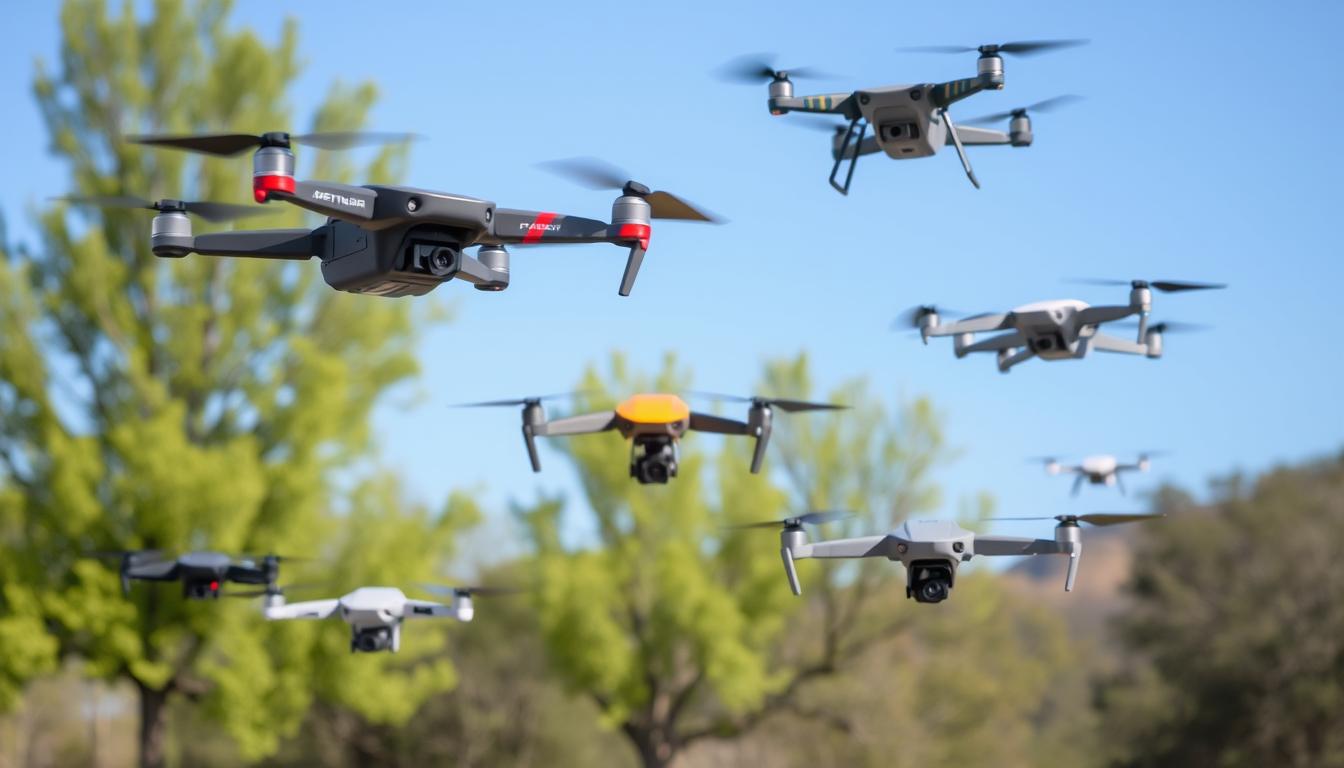
The world of drones has opened up a realm of possibilities. You can do aerial photography, drone mapping, drone delivery, and drone racing. If you’re new to drones, it can be hard to choose the right one. This guide will help you find the best drone for beginners, based on your needs, budget, and skill level.
Key Takeaways
- Discover the top beginner drone recommendations, including the DJI Mini series, Ryze Tello, and more
- Understand the cost of drone ownership and the importance of genuine replacement parts and accessories
- Learn about privacy concerns and safety precautions for safe drone operation
- Explore the registration requirements for drones and find suitable flying locations
- Identify the key factors to consider when choosing a beginner drone, such as user-friendly controls and camera quality
Understanding the Cost of Drone Ownership
Buying a drone is exciting, but it’s not just the initial cost. There are many other expenses to think about. These include replacement parts and essential accessories. Knowing these costs helps you budget and take care of your drone.
Additional Expenses Beyond the Drone Price
Drone lovers know there’s more to owning a drone than the first price. Here are some key costs to consider:
- Drone Batteries: Spare batteries cost between £100 and £200 each. Drones often need several batteries to fly longer.
- Replacement Parts: Things like propellers and landing gear might need to be replaced. They can cost between £20 to £50 each.
- Charging Solutions: Good chargers and hubs can cost from £50 to £200. They make sure your drone is always ready to fly.
- Accessories: Items like carrying cases (£100 to £500) and SD cards (£30 to £150) can add up quickly.
Importance of Genuine Replacement Parts and Accessories
Choosing genuine parts and accessories is key for drone care and upgrades. While cheaper options might seem appealing, they can harm your drone’s performance and safety. Genuine parts are made for your drone model, ensuring a great flying experience and longer life.
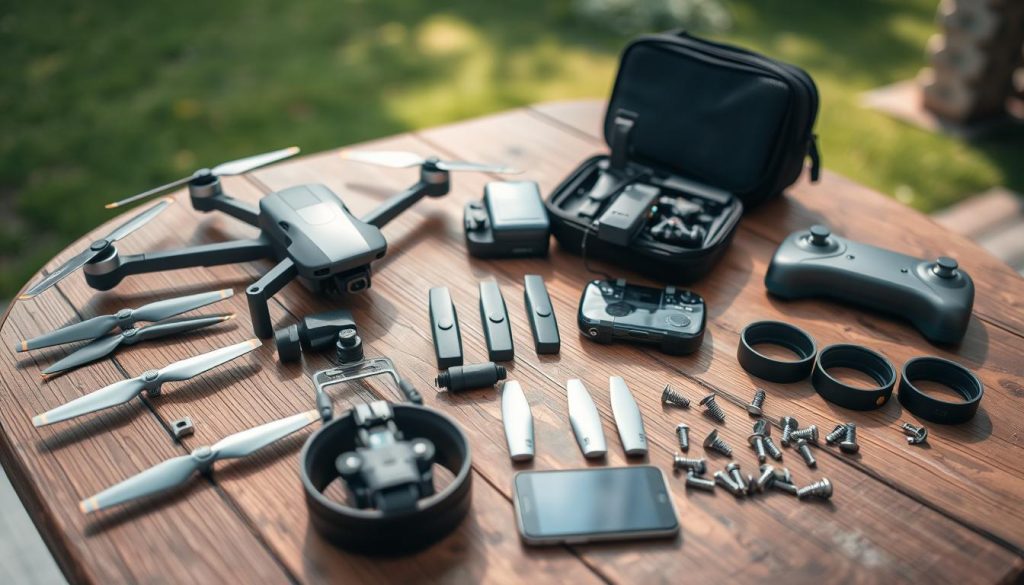
“Genuine replacement parts and accessories are essential for maintaining the integrity and safety of your drone. Cutting corners can lead to costly repairs or even catastrophic failures.”
Understanding all drone ownership costs helps you plan better. With the right preparation and investment, you’ll enjoy flying with confidence and peace of mind.
Overcoming Privacy Concerns
Drone technology is getting better and more common, but privacy worries are growing. Drones with cameras and sensors can take personal data and invade privacy. This raises big questions about how we should use them.
To tackle these privacy worries, it’s key for new drone pilots to know and follow drone regulations and drone laws. Many places have rules to protect privacy, like not flying drones near private spots or needing permission to record images or video.
- Respect others’ privacy by not flying drones over homes, businesses, or other private areas.
- Be open about your drone’s features and what you plan to do with it. Always ask for permission before taking pictures or videos of people.
- Learn about the drone laws in your area to make sure you’re flying legally.
- Think about the drone ethics and drone surveillance when using your drone. Make choices that keep everyone safe and respect privacy.
By being careful and ethical with drones, new pilots can ease public fears. Finding a balance between the good drones can do and protecting privacy is key. This balance is crucial for drones to be accepted and used in our communities.
| Privacy Concern | Mitigation Strategies |
|---|---|
| Unauthorized aerial surveillance | Follow drone regulations and get the right permissions, respect privacy. |
| Collection and use of personal data | Use data wisely, keep it safe and anonymous. |
| Potential for abuse and misuse | Teach drone ethics, have rules and checks in place. |
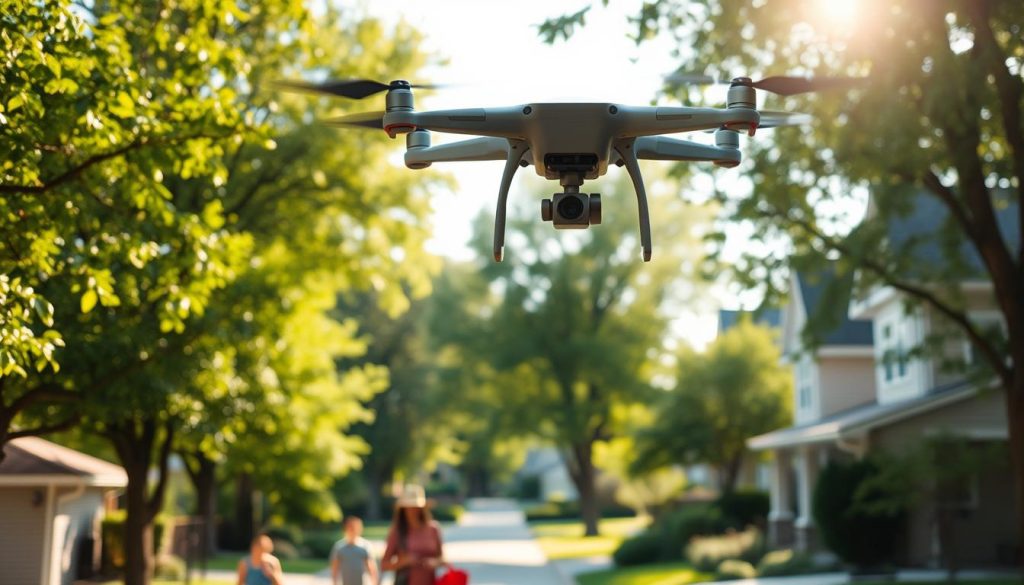
“Responsible drone use is essential for maintaining public trust and ensuring the continued development and adoption of this transformative technology.”
Drones Addressing Safety Perceptions
Drones often raise safety concerns, especially for those new to the technology. But, with the right training and following safety rules, drones can be used safely. This section will cover key steps for drone pilots to use their drones responsibly and safely.
Precautions for Safe Drone Operation
Drone operation needs a good grasp of local laws and a focus on safety. Responsible pilots should:
- Get the right certifications, like the FAA Part 107 Remote Pilot Certificate, to fly legally and safely.
- Know their drone’s strengths, weaknesses, and safety features to make smart flying choices.
- Always keep the drone in sight and avoid flying in no-fly zones, like near airports or over crowds.
- Check their drone and parts often to spot and fix any problems or wear.
- Follow safe flying practices, like keeping a safe distance from people, property, and other drones.
By focusing on safety and following rules, drone pilots can show drones are used responsibly. This helps clear up any safety worries.
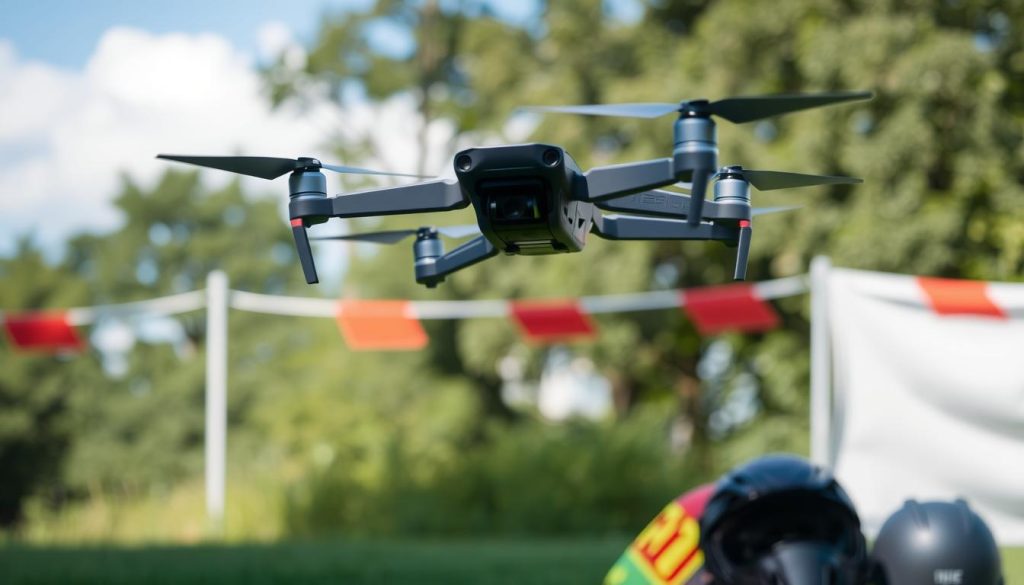
“Drones have been used in many first responder roles, helping in dangerous situations. They improve response times and save lives.”
The drone world has also gotten safer thanks to better risk management and hazard spotting. This leads to safer operations and better decisions, thanks to data like high-quality images and live video.
Finding Suitable Flying Drones Locations
As a beginner drone pilot, finding the right place to fly is key. Knowing the legal limits and restrictions in your area is vital for safe and responsible flying. This guide will help you find good flying spots, including avoiding no-fly zones and understanding local rules.
Checking for No-Fly Zones and Local Regulations
Drone no-fly zones include areas near airports, military bases, and government buildings. They also cover nuclear power plants, prisons, nature reserves, and wildlife habitats. In the U.S., drones over 250g must be registered with the FAA.
Drone flights should stay below 400 feet to avoid hitting planes. Some places, like near airports, need special permits for drone use. Always follow local rules, which might be stricter than national ones, to stay safe and legal.
| Regulation | Details |
|---|---|
| Drone registration | Drones weighing more than 250g must be registered with the FAA in the United States. |
| Flight altitude | Drone flights are typically limited to less than 400 feet (120 meters) to avoid collisions with aircraft. |
| No-fly zones | Drone no-fly zones include areas within 5 kilometers of airports, military bases, government buildings, and other sensitive locations. |
| Special permits | Some areas may require special flight permits for drone operations, such as near airports and military bases. |
Before you fly, research the local drone laws in your area. It’s important to keep your drone in sight to control it. Knowing no-fly zones and following local rules ensures a safe and legal drone flying experience.

“Drone operators must adhere to local regulations that may be stricter than national regulations, ensuring safety and legal compliance.”
Registration Requirements for Drones
If you’re starting with drone flying, knowing the registration rules is key. The size and weight of your drone decide if you need to register it. This guide will help you with the steps for drone registration in the US, EU, UK, and Australia.
United States
In the US, the FAA requires drones over 0.55 pounds to be registered. You’ll need to pass a 60-question test with a 70% score to register. Not registering a commercial drone can cost up to $27,500 or even jail time.
European Union
The EU has its drone rules. Drones over 250 grams must be registered with the national aviation authority. You might also need a license, depending on the drone’s weight and use.
United Kingdom
In the UK, drones over 250 grams need registration. You must also pass a competency test for a flyer ID. Not following these rules can lead to fines or criminal charges.
Australia
Australia has strict drone rules. Drones over 250 grams must be registered with CASA. You might need a remote pilot’s license, based on the drone’s weight and use.
It’s vital for beginner drone pilots to know and follow these rules. By doing so, you ensure legal and safe drone use. This helps the drone industry grow responsibly.
| Region | Registration Requirement | Additional Certifications |
|---|---|---|
| United States | Drones over 0.55 pounds (250 grams) | FAA Drone Registration Test (70% passing score) |
| European Union | Drones over 250 grams (0.55 pounds) | Depends on drone weight and intended use (recreational or commercial) |
| United Kingdom | Drones over 250 grams (0.55 pounds) | Flyer ID competency test |
| Australia | Drones over 250 grams (0.55 pounds) | Remote pilot’s license (depending on drone weight and use) |
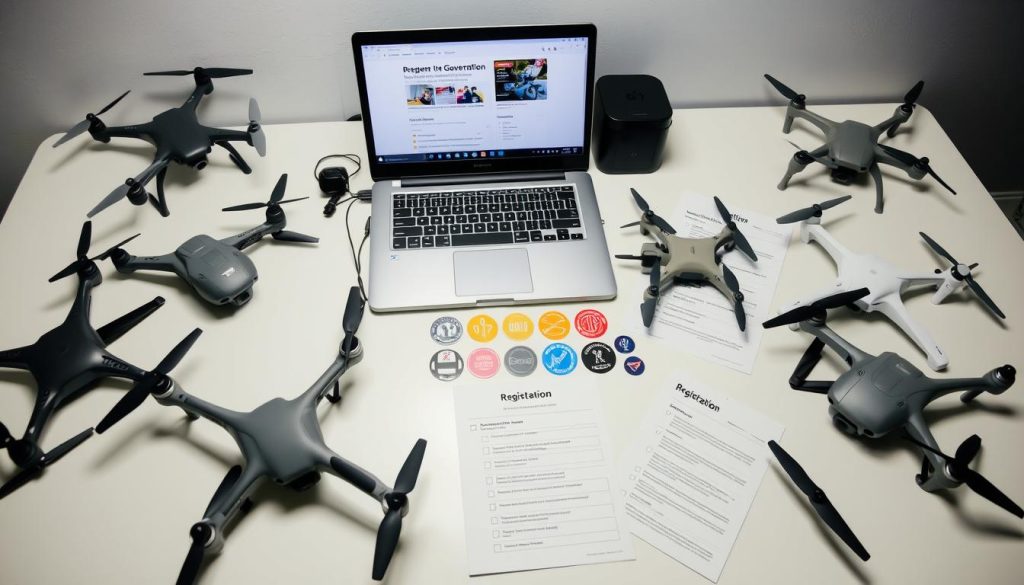
“Responsible drone use starts with understanding and complying with the necessary registration and certification requirements. By staying informed and following the rules, beginner drone pilots can enjoy the thrill of flight while contributing to the safe and sustainable growth of the drone industry.”
Top Beginner Drones Recommendations
Starting your drone journey means picking the right model. The market has many beginner-friendly drones. We’ll look at the DJI Mini series and the Ryze Tello, two top picks for beginners.
DJI Mini Series: Affordable and Capable
The DJI Mini series is a favorite among beginners. These drones are lightweight and compact. They offer great performance and features, perfect for starting out.
The DJI Mini 4 is a great example. It weighs just 249g and has a battery life of up to 34 minutes. It can shoot stunning 4K video at 60fps. With a range of 20km and a top speed of 58kph, it’s both fun and affordable.
Ryze Tello: Budget-Friendly Drones Option
If you’re on a budget, the Ryze Tello is a great choice. It’s small and light, weighing only 235g. It has a battery life of 13 minutes and can fly up to 100m away at 36kph.
While it lacks some advanced features, the Tello is perfect for beginners. It’s a way to try drone flying without spending a lot.
| Drone Model | Weight | Battery Life | Max Range | Max Speed | Camera Specs |
|---|---|---|---|---|---|
| DJI Mini 4 | 249g | 34 minutes | 20km | 58kph | 4K video at 60fps |
| Ryze Tello | 235g | 13 minutes | 100m | 36kph | – |
Choosing the DJI Mini series or the Ryze Tello is a great start. Both are excellent for beginners and offer a solid foundation in drone flying.
Factors to Consider When Choosing a Beginner Drone
Choosing a beginner drone involves looking at several important factors. These ensure a fun and rewarding experience. Key aspects include the controls, design, camera quality, and video features. Each one is crucial for finding the right drone for you.
User-Friendly Controls and Design
For beginners, easy-to-use drones are essential. Look for models with simple navigation and precise controls. This lets you fly the drone confidently. The drone’s design should also be comfortable to hold and use for a long time.
Camera Quality and Video Capabilities
If you love aerial photography and videography, focus on the drone’s camera and video features. Choose drones with high-quality image and video capture. Features like image stabilization and adjustable camera angles are also important. They help you take amazing drone footage and aerial photographs.
By considering these factors, you can pick the perfect beginner drone. It should match your interests, budget, and skill level. This way, you can enjoy exploring drone technology with confidence and ease.
“The right drone can open up a whole new perspective, capturing breathtaking images and videos from the sky.”
Drones: Exploring the Possibilities
Drones are more than just toys for flying. They have many uses that are changing how we work and solve problems. They help with photography, mapping, and even delivering things. Drones are key in many fields.
In farming, drones check on crops and help with water and pesticides. Police and emergency teams use drones for searches and to watch traffic. This helps save lives and keeps communities safe.
Construction uses drones for surveys and tracking progress. They also check buildings for codes. This makes work easier and cheaper. Photographers and videographers love drones for their amazing aerial shots.
Drones are also exploring space. They check on spacecraft and even go to the Moon. They help prepare for humans to explore space more.
Drone tech is getting better all the time. They make work faster and cheaper. Drones are key to our future.
“The evolution of drone technology is expected to revolutionize logistics, exploration, and goods services, leading to faster, less costly, and more efficient processes.”
But using drones comes with challenges. There are risks like data theft and damage to important systems. We need strong security like encryption and updates.
Still, drones are changing the world. They help us solve problems on Earth and in space. As drones get better, they will be even more important to us.
Conclusion
Starting your drone flying journey is exciting. The world of drone beginners is full of possibilities. You can capture amazing aerial views or explore new uses in fields like agriculture and construction.
When you buy a drone, think about the costs and safety first. This way, you can enjoy flying without worries. The guide has great drone recommendations for beginners.
Whether you choose the DJI Mini Series or the Ryze Tello, you’ll find something great. Always check the latest drone regulations and be ready for changes in the drone world.
The future of drone technology looks bright and full of possibilities. Drones will change how we live, from farming to delivering packages. Stay updated, fly safely, and explore the creative side of drones. You’ll discover a whole new world as a drone beginner.