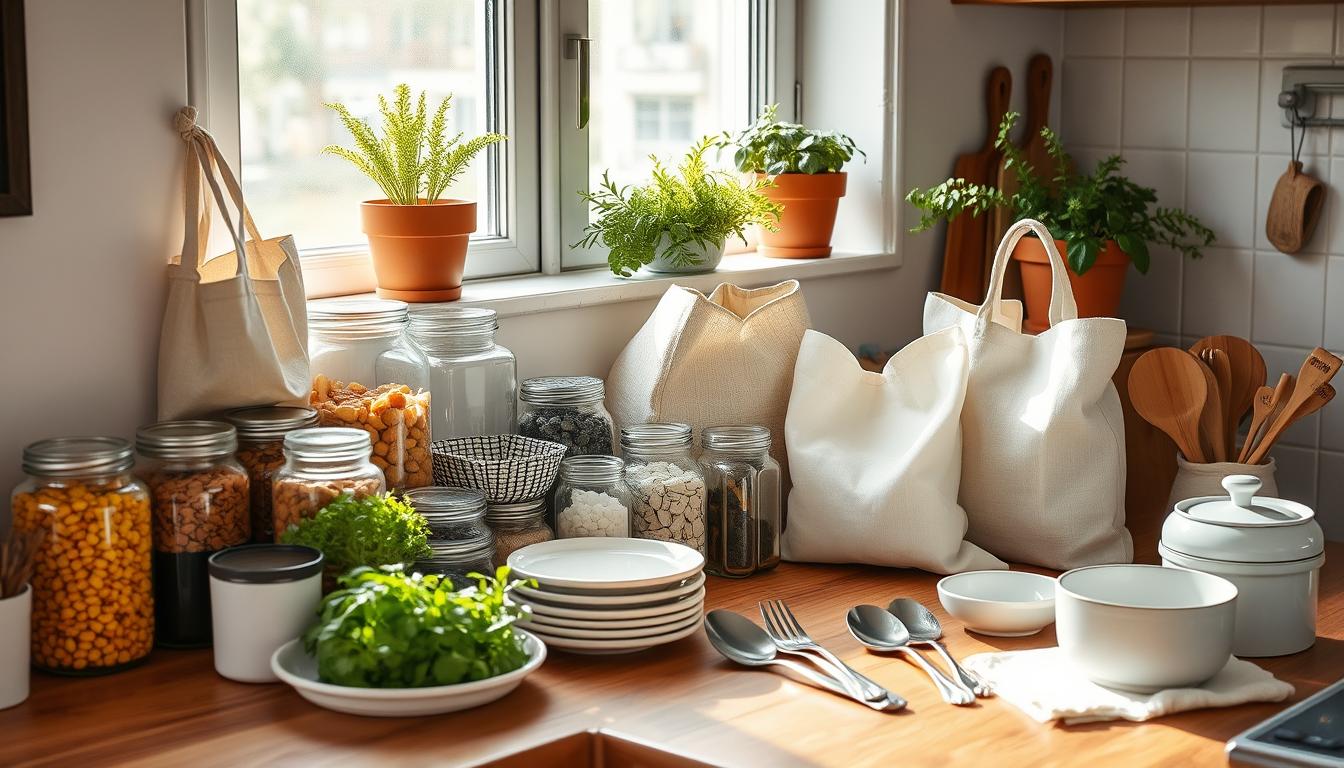
The zero-waste movement is growing fast, pushing people to think differently about what they buy. It’s not hard to live with less waste if you know how. The trick is to understand zero-waste basics, use things you can reuse, and invest in quality items that last instead of Zero-Waste Products.
Key Takeaways
- Zero-waste products are made to be used over and over, or to be recycled or composted. This cuts down on waste from single-use items.
- Living sustainably can save you money in the long run. You can save by reusing, repurposing, and making smart choices when you shop.
- Some people think zero-waste stuff is too expensive. But this idea often comes from influencers and the high prices of some eco-friendly items.
- Getting zero-waste products can be hard, especially if you live far from stores. This makes it tough to start living with less waste.
- The zero-waste movement is all about using what you have wisely. It shows that living green doesn’t have to be expensive or out of reach.
Understanding the Zero-Waste Movement and Its Impact
The zero-waste movement is all about cutting down waste by redesigning products and processes. It pushes for a circular economy, where things are reused, fixed, or recycled. This way, we use less landfills and incinerators.
Products in the zero-waste movement are made to be reused, recycled, or composted. They aim to cut down on single-use and non-biodegradable items. It’s about changing how we use resources and living more sustainably.
What Defines Zero-Waste Living
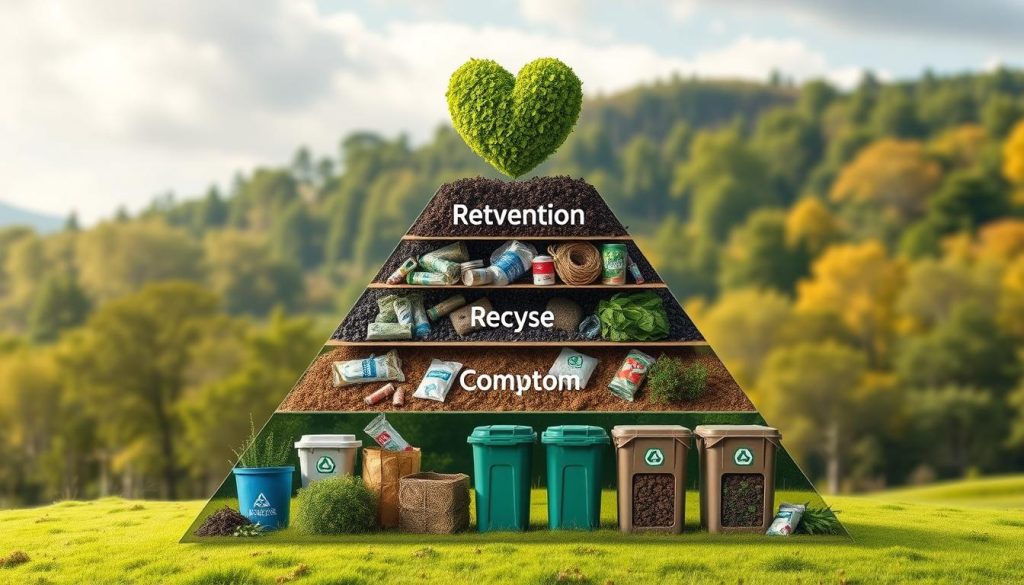
The zero-waste movement uses the 5 Rs: Refuse, Reduce, Reuse, Recycle, and Rot. It’s a way to make less waste. This approach wants to move from a linear system to a cyclical one, like nature.
Environmental Benefits of Zero-Waste Practices
- The zero-waste movement aims to divert 90% or more of waste from landfills and incinerators.
- Communities practicing zero-waste often see big drops in landfill waste and pollution.
- Zero-waste efforts can save money for both homes and businesses by cutting down on new purchases and disposal costs.
- Composting food and garden waste cuts down on methane emissions from landfills.
The Role of Consumer Choices
As ethical consumers, we are key to the zero-waste movement’s success. By choosing green consumerism and waste reduction strategies, we help move towards a circular economy. Keeping track of our waste for a week can show us where to improve and help us live more sustainably.
“The zero waste movement emphasizes the 5 Rs: Refuse, Reduce, Reuse, Recycle, and Rot as a strategy to minimize waste generation.”
The Real Cost of Zero-Waste Products
Some eco-friendly products might cost more at first. But, they can save you money in the long run. For example, reusable silicone storage bags are pricier upfront. Yet, they last for years, saving you money compared to disposable plastic-free alternatives.
The prices of sustainable products show their quality and durability. They are made with better materials and produced ethically.
But, the zero-waste lifestyle also means buying less. This can save you a lot of money over time. As compostable materials become more common, the cost difference between traditional and eco-friendly products is shrinking. This makes choosing sustainable options easier.
| Product Type | Traditional Cost | Eco-Friendly Cost | Long-Term Savings |
|---|---|---|---|
| Plastic Bags | $0.10 per bag | $10-$20 for reusable bags | Can save $100+ over several years |
| Paper Towels | $0.50 per roll | $20-$30 for reusable cloths | Can save $100+ over several years |
| Disposable Razors | $1-$3 per razor | $20-$50 for a reusable razor | Can save $100+ over several years |
Starting a zero-waste lifestyle might cost you at first. But, the long-term benefits are worth it. By looking at the total cost of ownership, you can make choices that fit your budget and values.
“Zero-waste lifestyles were once practiced mainly by a relatively small population segment. Now, many people are strongly considering transitioning to them, and significant numbers already have.”
Evaluating Zero-Waste Products Quality and Effectiveness
The zero-waste movement is growing fast. People are looking for plastic-free goods, reusable products, and items with minimal packaging. These items are made to last and be used many times. They help fight the throwaway culture.
When checking out zero-waste products, look at how long they last, how often you can use them, and if they can be recycled or composted at the end.
Durability and Longevity Factors
Zero-waste products are made from materials that are good for the planet. They are often made from things that can be reused or recycled. This makes them last longer and need to be replaced less often.
Performance Comparison with Traditional Products
Many zero-waste items work just as well as, or even better than, regular products. You can find reusable water bottles, food containers, and even cleaning supplies that are eco-friendly. They help reduce waste and protect the environment.
User Experience and Satisfaction
The success of zero-waste products depends on how well they meet our needs. If they are easy to use and work well, we are more likely to choose them. Good reviews and happy customers show that zero-waste products can fit easily into our daily lives.
“The transition to zero-waste living is not about sacrifice or compromise, but about finding innovative solutions that enhance our quality of life while respecting the planet.”
Common Misconceptions About Sustainable Living Costs
Many think conscious consumption, green lifestyle, and ethical shopping are too expensive. But, many zero-waste practices are about using what you have and choosing wisely when buying new things.
Some believe you need to replace everything to live sustainably. This idea comes from seeing luxury eco-friendly brands and influencer culture. But, this doesn’t show the real heart of conscious consumption.
Eco-friendly products can be very affordable, starting at just $5. For example, EQUO’s items are made from natural materials like rice, grass, and coconut. Prices start at $5, offering quality green options without breaking the bank.
These zero-waste items break down naturally in a year, without harming the environment. Simple actions like using a reusable water bottle or choosing eco-friendly straws can make a big difference over time.
“Less than 20% of waste is recycled each year, implying that a significant amount of waste ends up in landfills or in nature. By 2050, the global waste generation is predicted to increase by 70% compared to 2016 levels, highlighting the urgency of addressing waste management.”
Businesses also play a big part in waste production. They have the power to help create a zero-waste future. This shows how important it is for companies to take responsibility for reducing waste.
Smart Shopping Strategies for Zero-Waste Products
The zero-waste movement is growing fast. Savvy shoppers are finding new ways to cut down on waste. They’re using bulk buying and second-hand shopping to live more sustainably without breaking the bank.
Bulk Buying Benefits
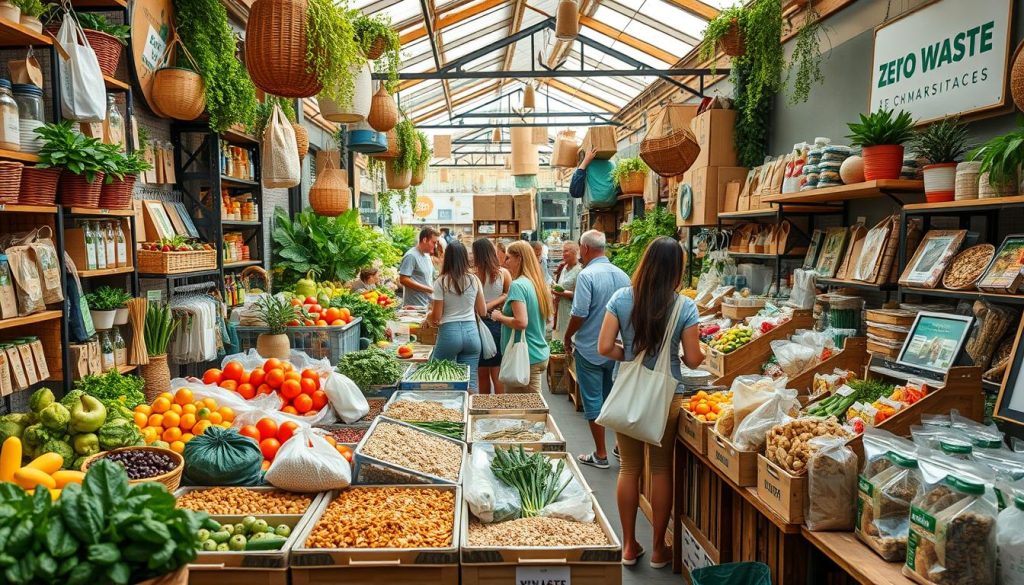
Buying in bulk changes the game for reducing packaging waste. By using your own containers at zero-waste stores, you skip the plastic and paper. It saves money and cuts down on waste.
Second-Hand Options
People are now shopping second-hand to support the circular economy. Thrift stores and online marketplaces offer quality, used items. It’s a great way to find unique, eco-friendly products.
Strategic Investment Planning
Building a plastic-free lifestyle means making smart investments. Choose durable, versatile items over cheap, disposable ones. It might cost more upfront, but it saves money and waste in the long run.
By adopting these smart shopping habits, you can easily move towards a plastic-free lifestyle. You’ll reduce waste and help make the world a greener place.
The Truth Behind Product Pricing
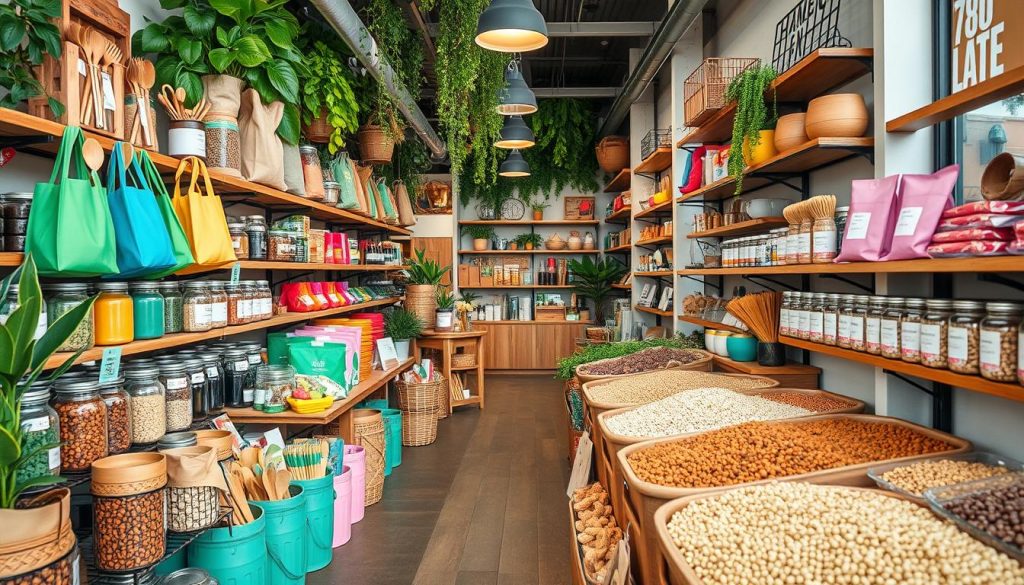
Zero-waste products often cost more because they use better materials and are made ethically. They last longer, which means they save you money in the long run. The prices are influenced by the quality of materials, fair labor, and new technologies.
But, not all eco-friendly items are expensive. Many zero-waste practices can actually save you money. By choosing reusable goods and reducing waste, you can save a lot over time.
| Sustainable Packaging Benefits |
|
|---|
Switching to a circular economy is key for the environment and our future. By choosing minimalism and reusable goods, we help the planet and might even save money. It’s a win-win situation.
“Reusable food containers have been shown to be cheaper for end-users, and corporations could see a return on investment (ROI) by the third or fourth year.”
As more people want eco-friendly products, businesses are starting to see the benefits. Moving towards a circular economy is good for the planet and can also save money. It’s a smart move for both the environment and businesses.
Making the Transition: From Traditional to Zero-Waste Products
Starting a sustainable lifestyle can seem daunting, but it’s easier when you take it slow. Focus on making key changes and gathering eco-friendly items. This way, switching to zero-waste products can be both easy and affordable.
Starting Small: Essential Swaps
Start by making simple, impactful changes. Ditch disposable water bottles for a BPA-free, reusable one. Also, switch to plastic-free totes or biodegradable bags for grocery shopping. These changes can greatly reduce your plastic use.
Building a Sustainable Collection
Slowly replace old items with low-impact ones. Choose products with plastic-free packaging and biodegradable materials. Get reusable items like silicone bags, beeswax wraps, and refillable containers. They cut down on waste and save money over time.
Tracking Cost Benefits
- Keep an eye on your spending to see how zero-waste products affect your budget. Eco-friendly items might cost more upfront but save money later.
- Remember, you’ll spend less on things like plastic water bottles and paper towels.
- Think about how long your zero-waste items last. They often last longer than disposable ones, offering better value.
Adopting a zero-waste lifestyle is a journey, not a quick fix. Start small, build your collection, and watch your savings grow. This approach makes the transition to eco-friendly products smooth and rewarding.
Accessibility and Availability Challenges
Starting a minimalist lifestyle and following circular economy ideas can be very rewarding. Yet, finding eco-friendly alternatives is hard for many. People living in remote areas often pay more for shipping and have fewer places to buy in bulk.
But, more and more people want to live sustainably. This is leading to more stores that sell zero-waste products. In the US, over 1,300 stores now offer eco-friendly alternatives and items without packaging. These stores are helping more people adopt a minimalist lifestyle.
| Challenges | Initiatives |
|---|---|
|
|
Even with these hurdles, the move towards a minimalist lifestyle and a circular economy is picking up speed. More resources and solutions are coming out to help those who want to live sustainably.
The Future of Zero-Waste Commerce
The future of zero-waste commerce is bright. The market for sustainable products is growing fast. It’s expected to see a big increase in the next few years.
The demand for zero-waste packaging is also rising. It’s set to double from $2.35 billion to $4.63 billion by 2032. This shows how more people want to shop green.
E-commerce businesses are leading this change. They’re offering more sustainable products and using eco-friendly shipping. They also teach customers about the benefits of zero-waste living.
This helps more people adopt eco-friendly shopping habits. It’s a big step towards a greener future. Businesses are starting to use renewable, reusable, and recyclable materials more.
“The future of zero-waste commerce is a testament to the power of consumer demand. As more people embrace sustainable living, businesses will be compelled to adapt and offer greener solutions, ultimately creating a more eco-friendly marketplace.”
Despite challenges, the future looks good. With innovation, teamwork, and customer support, sustainable shopping will keep growing. This will lead to a more sustainable world.
Conclusion
The push for sustainable living and eco-friendly choices is growing fast. Zero-waste products are becoming more affordable and effective. They offer a better way to live compared to old habits.
At first, you might spend a bit more. But, the long-term gains are huge. You’ll save money, help the planet, and make more thoughtful choices.
The market for green products is expanding. This makes it easier for more people to live zero-waste. Companies using eco-friendly materials can stand out and get government help.
This support can cover some of the costs. It encourages more businesses and individuals to go green.
Research shows that using reusable and compostable items can cut waste by 50%-80%. This means less trash in landfills and oceans. The number of people choosing zero-waste products is rising fast, about 15% each year for the last ten years.
This shows that more people want to live in a way that’s better for the planet. It’s a positive trend for our future.