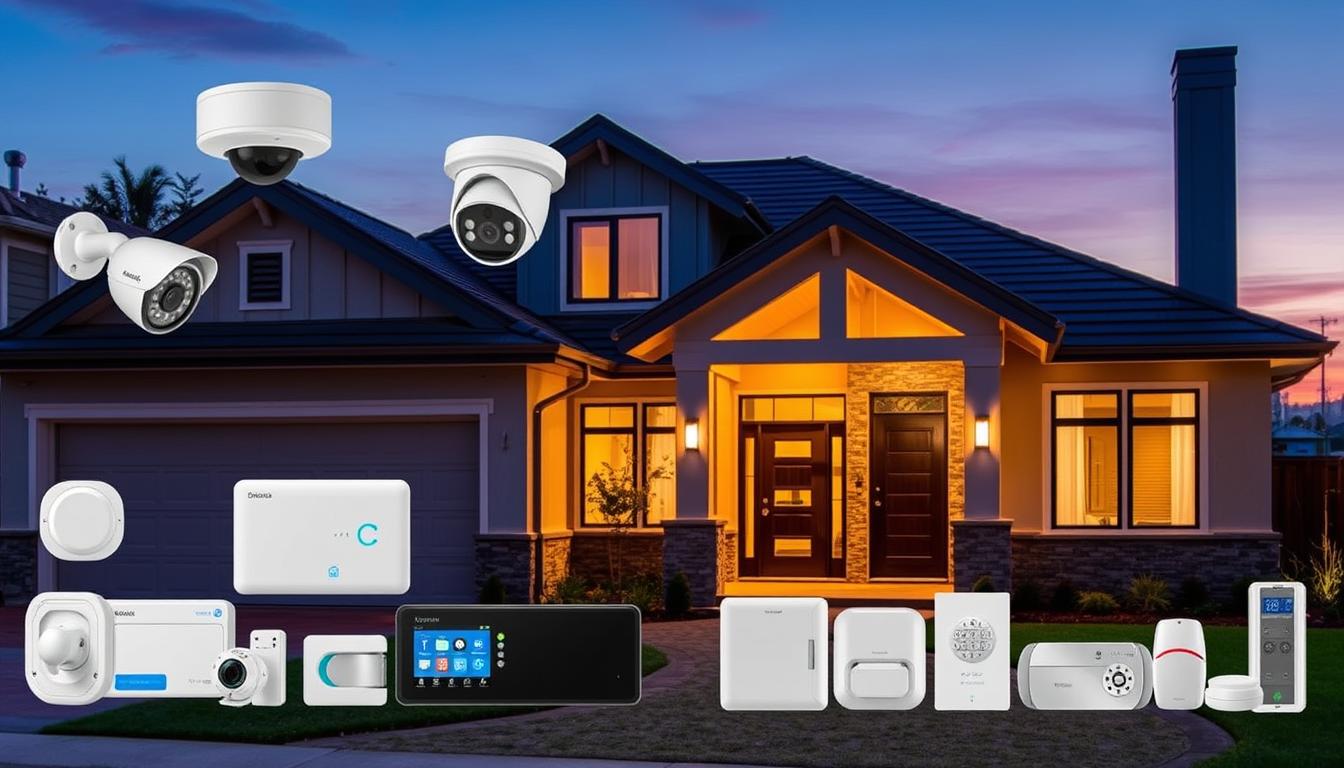
Home security systems are now a top choice for protecting homes and families. They come with many features like motion detectors and surveillance cameras. But, finding the right system can be hard due to all the options and costs. This guide will help you understand the different types of systems and what to consider when choosing.
Home security systems can be customized to fit your needs. Things like equipment, installation, and monitoring options are important. SimpliSafe is known for its affordable, high-quality equipment that can be added or removed as needed.
Key Takeaways
- Home security systems typically cost at least a couple of hundred dollars, with the potential for higher costs depending on the equipment included.
- DIY home security systems may offer lower ongoing costs compared to professionally installed and monitored systems.
- Surveillance systems compatible with smart hubs like Alexa and Google Home are prevalent, while compatibility with Apple HomeKit may require more research.
- Privacy and security features are essential when selecting a home security system, focusing on brands with strong data protection measures.
- Insurance companies often offer discounts on home insurance premiums for homes equipped with professional monitoring security systems.
Understanding the Different Types of Home Security Systems
Securing your home comes down to two choices: DIY systems or professional installations. DIY systems, like those from Abode, Ring, and SimpliSafe, are easy to set up and save money. Professional systems, such as ADT, offer expert help and support.
DIY vs. Professionally Installed Systems
DIY home security systems are gaining popularity. They let homeowners control their home’s safety. These systems usually start with a basic kit and can grow with more components.
Professional installations, however, offer a more detailed and customized solution. They include features like cellular backup and voice control. While they cost more upfront, they ensure your system works best.
Wired vs. Wireless Systems
Choosing between wired and wireless systems is another important decision. Wireless systems are flexible and easy to install but may cost more to keep connected. Wired systems are reliable but harder to set up and maintain.
Both DIY and professional systems can protect your home well. The best choice depends on your needs, budget, and preferences.
| Feature | DIY Home Security | Professional Home Security |
|---|---|---|
| Installation | Easy to set up, no professional required | Requires professional installation |
| Cost | Generally more affordable upfront | Higher initial cost, but may offer more features |
| Monitoring | Can be self-monitored or professionally monitored | Often includes professional monitoring |
| Customization | Allows for easy addition of new components | May offer more advanced features and customization |
| Connectivity | Wireless systems offer greater flexibility | Wired systems can provide more reliable connections |
“Home security systems are no longer just about protecting your home – they’ve evolved into smart home hubs that can integrate with a variety of devices and provide a centralized way to control your home environment.”
Essential Components of a Home Security System
A good home security system has many key parts. These parts work together to keep your home safe from intruders and dangers like fire and carbon monoxide.
Control Panel and Keypads
The control panel is the heart of your security system. It lets you turn the system on and off, check its status, and handle alerts. Keypads are near doors and windows for easy access to the system. They are crucial for your home’s security.
Motion Detectors and Door/Window Sensors
Motion detectors watch for movement inside your home. Door and window sensors have a magnetic field that alerts you if someone enters. These sensors cover all entry points and inside areas, offering strong protection.
| Component | Function |
|---|---|
| Home Security Control Panel | Serves as the central command center to arm, disarm, and monitor the system |
| Home Security Keypads | Provide easy access to control the system at entry points |
| Home Security Motion Detectors | Sense movement within the home to trigger alerts |
| Home Security Door/Window Sensors | Create a magnetic circuit to detect when entry points are opened |
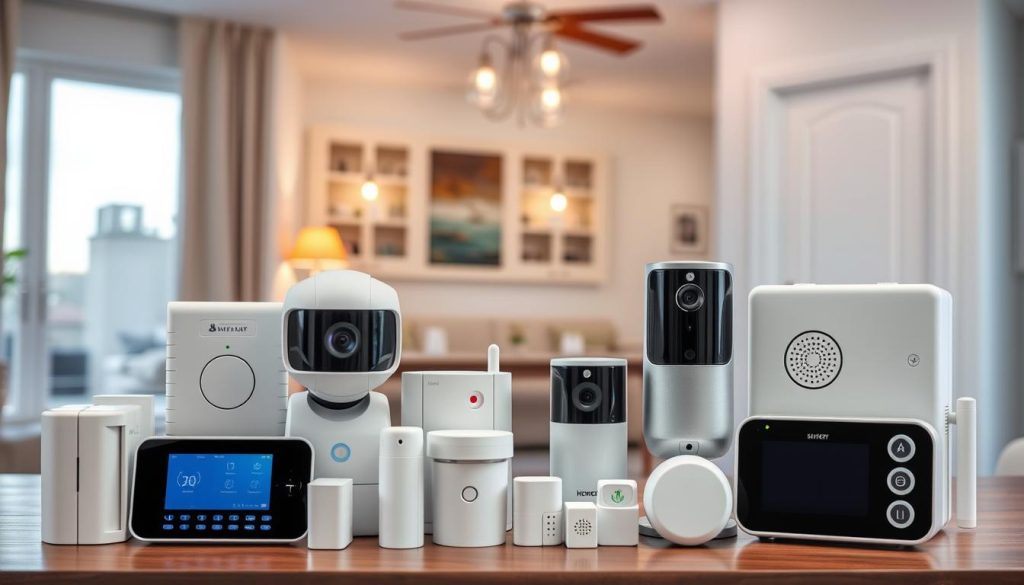
These parts together make a strong home security system. They give you the safety and peace of mind you need. Knowing what each part does helps you choose the best security for your home.
Home Security Systems
Home security systems have changed a lot over time. They now offer many features to protect homes. These systems do more than just scare off burglars. They also protect against fires, floods, and other emergencies.
Today’s home security systems are very flexible. You can pick from DIY or professional setups. You can also choose between wired or wireless systems. This means you can customize your system to fit your home perfectly.
- Home security systems have been sold since 1997, focusing on low prices and free tech support.
- Wireless security systems are generally very easy to program, making them great for DIY users.
- Wireless alarm systems are known for being very easy to set up and program, suitable for DIY users who prefer not to rely on technicians for installation.
- Modern wireless security systems tend to come complete with numerous features, reducing the need for additional add-ons.
- Many wireless security systems are offered as part of packages that include essential sensors, helping users save money and receive a complete security setup.
Looking to upgrade or install a new home security system? There are many home security systems, home alarm systems, and residential security solutions out there. By thinking about what you need and looking at the features available, you can find the best system for your home.
“Wireless security systems are often a great choice for homeowners, as they offer enhanced flexibility, user-friendliness, and a seamless integration with smart home technologies.”
The home security system market keeps getting better. Homeowners now have more options to make their homes safer. Whether you want to do it yourself or have a professional install it, there are many home security systems, home alarm systems, and residential security solutions to choose from.
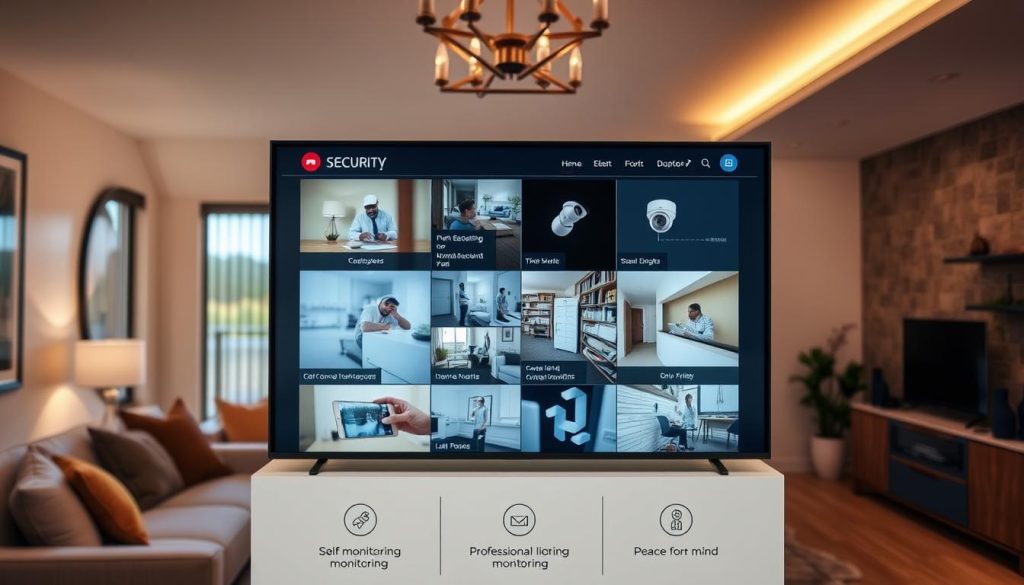
Monitoring Options: Self-Monitoring vs. Professional Monitoring
Homeowners face a choice between self-monitoring and professional monitoring for their security systems. Each option has its own benefits and drawbacks. The right choice depends on what the homeowner values most, their budget, and their security needs.
Benefits of Professional Monitoring
Professional monitoring means your home is watched 24/7. Trained staff can quickly respond to any security alerts. This can lead to faster police help, which might reduce the damage from a break-in.
ECHO says professional monitoring can cut police response times by up to 4 minutes for confirmed threats.
Costs of Professional Monitoring
The main drawback of professional monitoring is the monthly cost. It can be between $20 and $80 a month. But many homeowners feel it’s worth it for the extra security and peace of mind.
Some insurance companies also offer discounts of up to 20% for homes with professional monitoring.
| Service Provider | Professional Monitoring Cost | Self-Monitoring Cost |
|---|---|---|
| SimpliSafe | $21.99 per month | $9.99 per month |
| Abode | $24.99 per month | $7.99 per month |
| Ring | $20 per month | $4.99 per month |
| Arlo | $24.99 per month | $7.99 per month |
Smart Home Integration and Automation Features
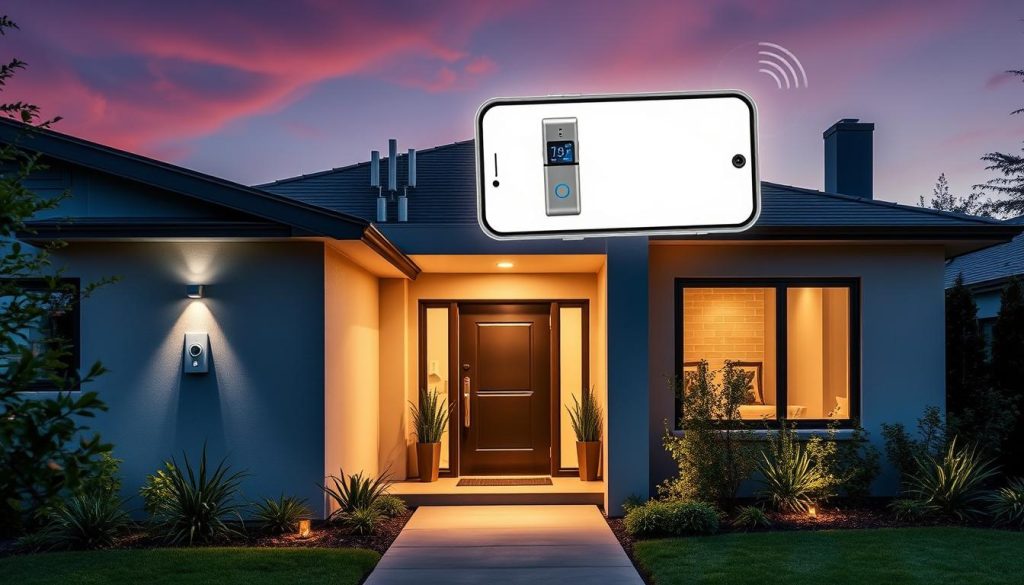
Today’s home security systems do more than just detect intruders. They work seamlessly with smart home tech. Companies like ADT, Vivint, and SimpliSafe are at the forefront. They let homeowners manage their whole home from one place.
ADT got a top score of 9.8/10 for its smart home skills. The ADT Command system links up with many smart home security gadgets. This includes smart locks, lights, thermostats, and voice assistants like Alexa and Google Assistant.
Vivint scored 9.4/10 for its home automation security features. Homeowners can control everything from security to lights and climate with the Vivint app. They can also use voice commands with Alexa and Google Home.
SimpliSafe also did well, with a SecureScore™ of 9.2/10. It’s known for its home security automation features. The system lets homeowners monitor and control their home easily through a mobile app. It also works with popular voice assistants.
“The top smart home security systems allow homeowners to truly integrate and automate their entire home, providing unparalleled convenience and peace of mind.”
As smart homes grow, linking security systems with many devices will be key. Homeowners will want total control and safety.
Evaluating Security Camera Options
Security cameras are key in home security, offering visual monitoring and deterring intruders. When choosing a home security system, it’s vital to look at indoor and outdoor camera features. Also, think about video quality and storage that fit your needs.
Indoor vs. Outdoor Cameras
Choosing between indoor and outdoor cameras is a big decision. Indoor security cameras are cheaper, starting at $100, and easy to install. Outdoor security cameras cost about $200 and are often wireless, battery-powered, and Wi-Fi connected for remote monitoring.
Video doorbells are outdoor cameras that add security and convenience at your front door.
Storage and Video Quality
Video quality and storage are crucial when picking security cameras. Most cameras offer 1080p resolution, with some going up to 2K. The camera’s field of view, usually around 130 degrees, affects its coverage area.
Cameras can store footage locally or in the cloud, which may require a monthly fee. Your choice depends on your preferences and the camera system’s capabilities.
“Surveillance camera footage is often used as evidence in criminal cases,” states criminal defense attorney Michael Worgul.
By carefully considering these factors, you can find the right security cameras. They will enhance your home’s security and give you peace of mind.
Pricing and Costs of Home Security Systems
Home security systems come with different prices. The costs include the initial equipment and monthly fees. It’s important to know these costs to make a good choice.
Equipment Costs
The price of home security equipment varies. A basic DIY kit can cost as little as $200. But, a full system with a control panel, sensors, and cameras can cost about $460.
Adding smart locks, lights, and carbon monoxide detectors can increase the cost. These extras can add $150 to $500 to the total.
Professional installation can cost between $100 and $400. The initial setup and connection to the monitoring service can cost up to $230.
Monthly Monitoring Fees
The monthly fees are a big part of the cost. These fees cover 24/7 monitoring by a security company. They usually range from $20 to $60 a month.
For example, ADT’s plans start at $29.99 a month. They offer cloud video recording, smart home integration, and mobile app access.
| Home Security System Cost Element | Average Cost Range |
|---|---|
| Basic Equipment (Starter Kit) | $140 to $600 |
| Additional Sensors | $40 to $370 each |
| Monthly Monitoring Fees | $20 to $60 per month |
| Professional Installation | $100 to $400 |
| Activation Fees | Up to $230 |
Knowing the costs of home security systems helps homeowners make better choices. They can find a system that fits their budget and security needs.
Privacy and Security Considerations
Homeowners are turning to advanced home security systems to protect their homes. Privacy and cybersecurity are now top concerns. With threats like data breaches and camera feed hacking, strong home security data encryption is key.
Smart home devices have shown vulnerabilities. In 2020, McAfee found security camera flaws that hackers could exploit. A 2022 ADT survey found over 80% of home security devices had security holes. Also, 62% of smart home users worry about their daily routines being tracked by devices like smart doorbells.
Data Encryption and Cybersecurity
To tackle these home security system privacy issues, homeowners need to focus on security. They should use data encryption and cybersecurity to protect their info and video. This helps prevent unauthorized access and data breaches.
- Use strong, unique passwords and two-factor authentication to secure your system.
- Keep your system’s firmware and software up to date to fix vulnerabilities.
- Check the encryption protocols like TLS and SRTP to ensure data safety.
- Choose security cameras that value privacy, like the Psync Genie S, for local storage and cloud security.
By focusing on home security system privacy and cybersecurity, homeowners can feel secure. They protect their personal data and sensitive information.
“The global forecast anticipates that the number of households with smart security cameras will reach 146 million by 2025. As this trend continues, it is crucial for homeowners to understand the importance of robust data encryption and cybersecurity measures to safeguard their privacy.”
| Feature | Importance |
|---|---|
| Data Encryption | Ensures the protection of personal information and video footage from unauthorized access. |
| Cybersecurity Measures | Mitigates the risk of security breaches and hacking attempts, maintaining the integrity of the home security system. |
| Regular Software Updates | Addresses emerging vulnerabilities and strengthens the overall security of the home security system. |
| Privacy-Focused Features | Provides homeowners with greater control and transparency over the data collected by their security devices. |
Conclusion
Homeowners today have many security system options. They can choose from DIY to professionally installed systems. The market offers a wide range of choices to improve home safety.
Smart home technology has made these systems even better. Homeowners can now monitor and control their homes from anywhere. This also adds protection against fires, water leaks, and other dangers.
Home security systems are becoming more affordable. This means more people can protect their homes. By looking at features, costs, and privacy, homeowners can choose the right system for them.
Studies show that these systems can really deter burglars. So, investing in a good home security system is a smart move. It can greatly lower the risk of break-ins and other crimes.